Space Research Centre of the Polish Academy of Sciences
Space Research Centre of the Polish Academy of Sciences (CBK PAN), headquartered in Warsaw, began operations in 1977.
Areas
Astronomy, earth and environmental sciences, automation, electronics, and electrical engineering
 Visit the Institute's website
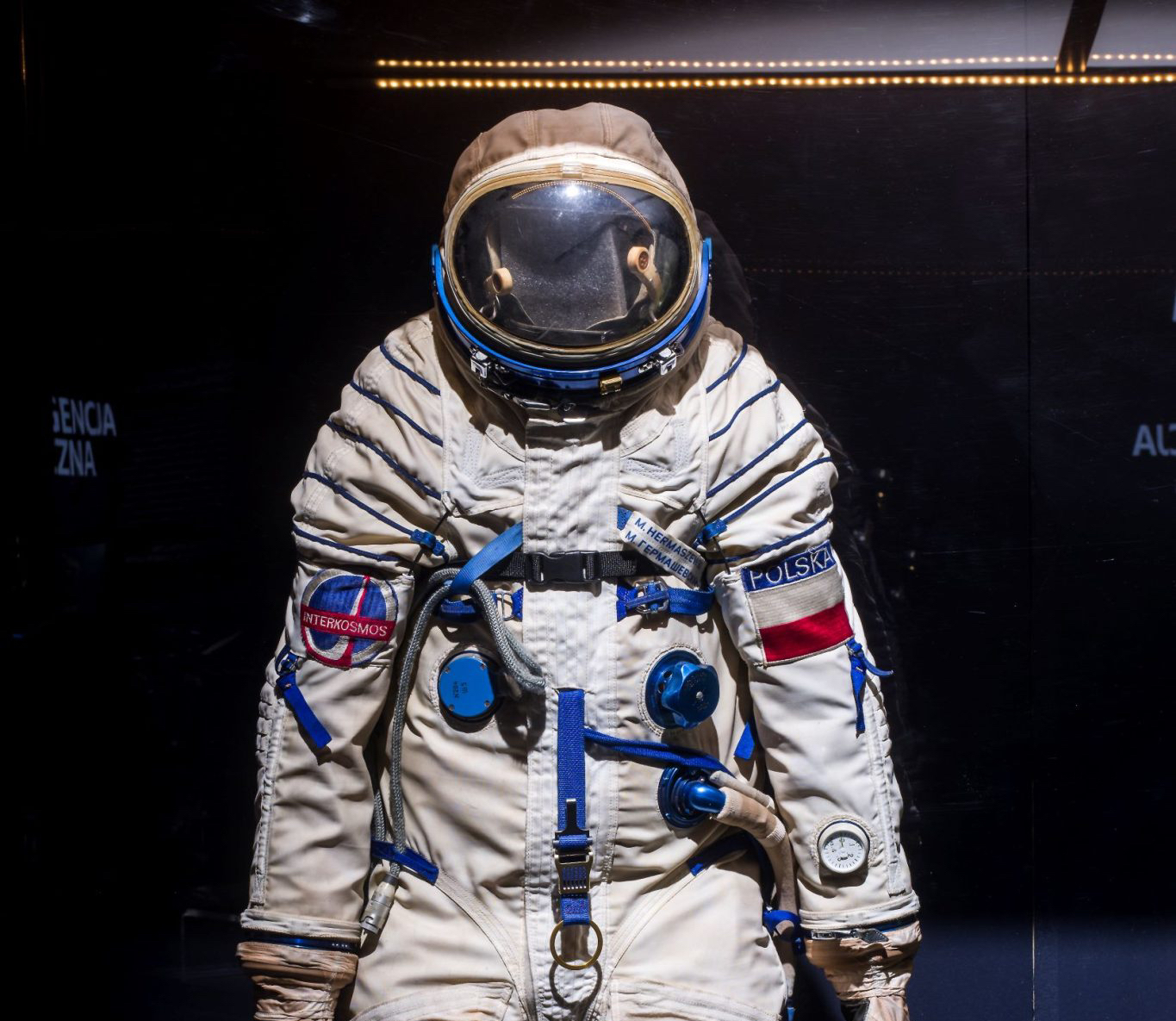
Since Poland joined the European Space Agency (ESA) in 2012, it has been the main institution coordinating the activities of Polish companies from the space industry within ESA projects.
All of the Center’s substantive activities are related to conducting research on near-Earth space, the bodies of the Solar System, and Earth, using space technologies and satellite techniques.
The unit also includes: the Solar Physics Institute in Wrocław, the Astrogeodynamic Observatory in Borówiec near Poznań, the Space Research Scientific Center in Wałbrzych, and the Plasma Physics Team, Laboratory at the Astronomical Observatory in Piwnice near Toruń.
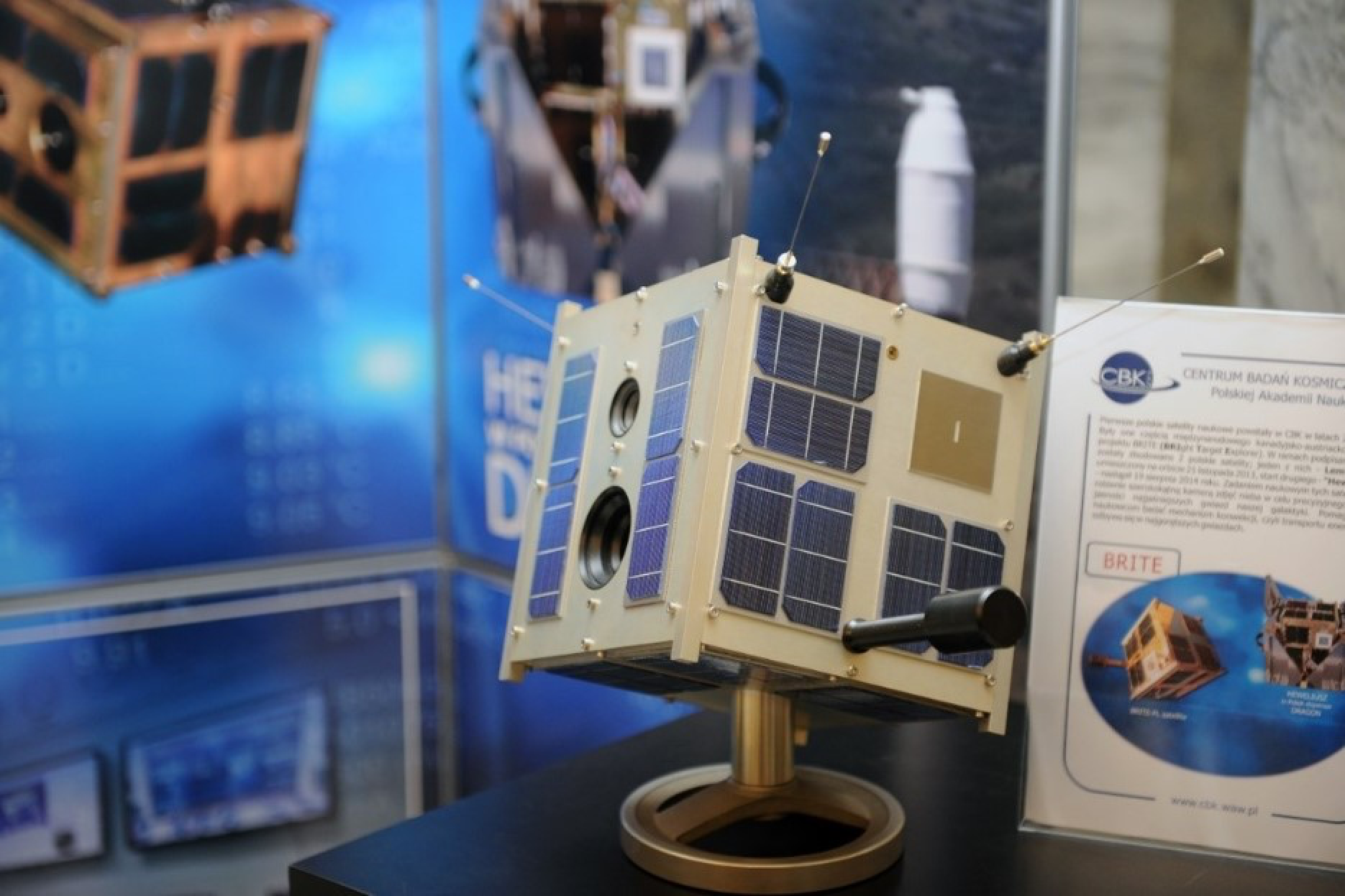
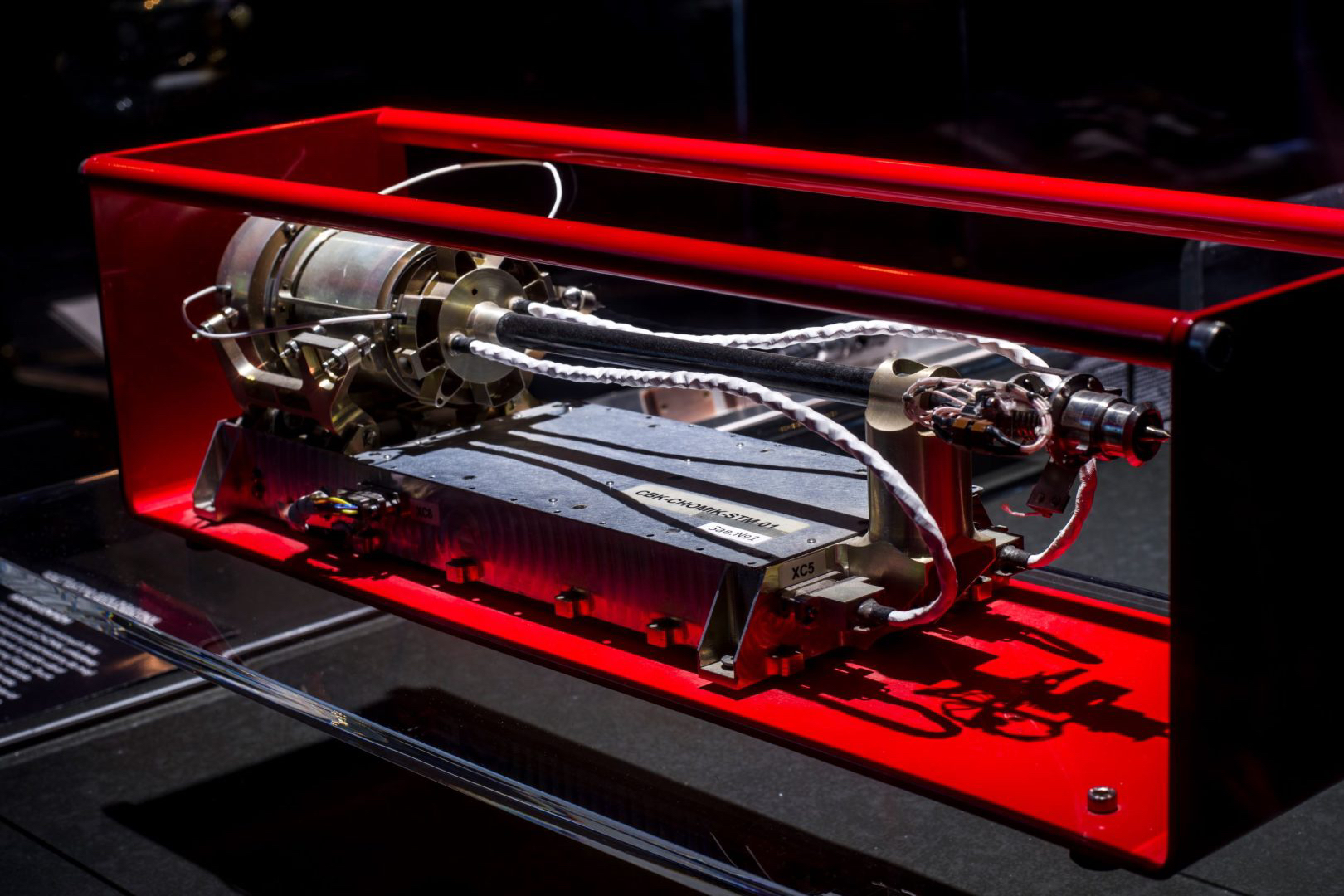
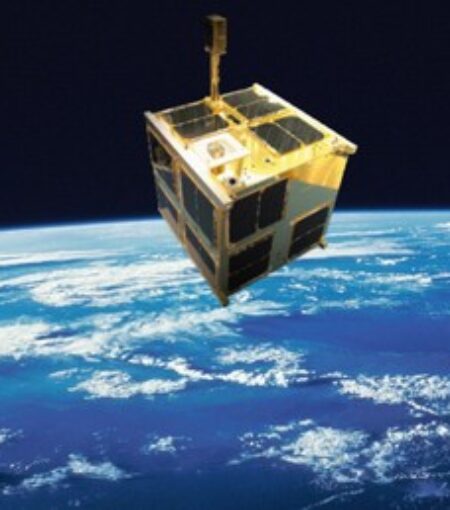
The CBK PAN has developed over 90 research instruments sent into space, including Solar Orbiter, Chang’E–4, InSight, Herschel, Koronas–Foton, Rosetta, Mars Express, and Cassini–Huygens. The first Polish scientific satellites, “Lem” and “Heweliusz,” were also developed here.
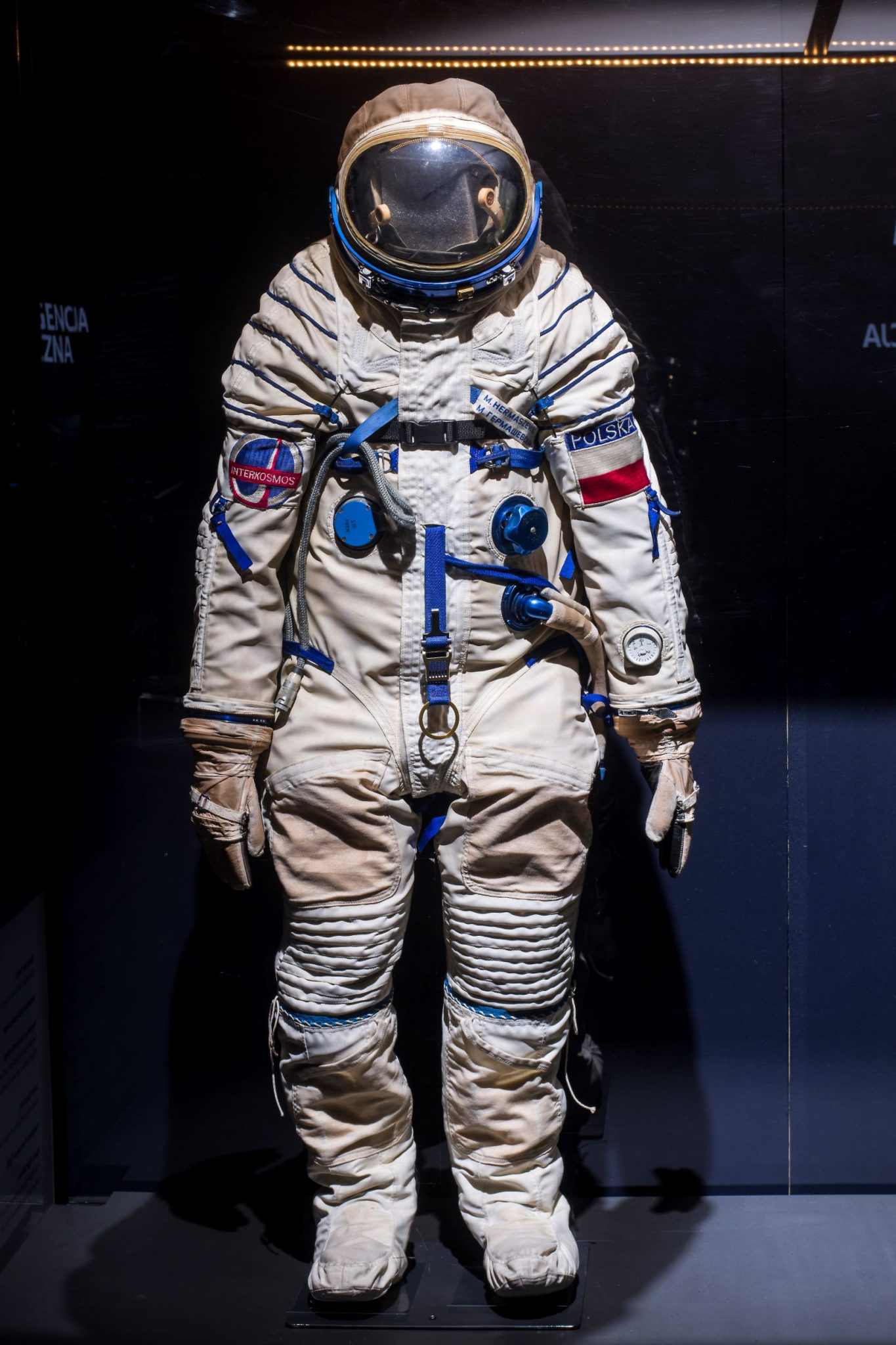
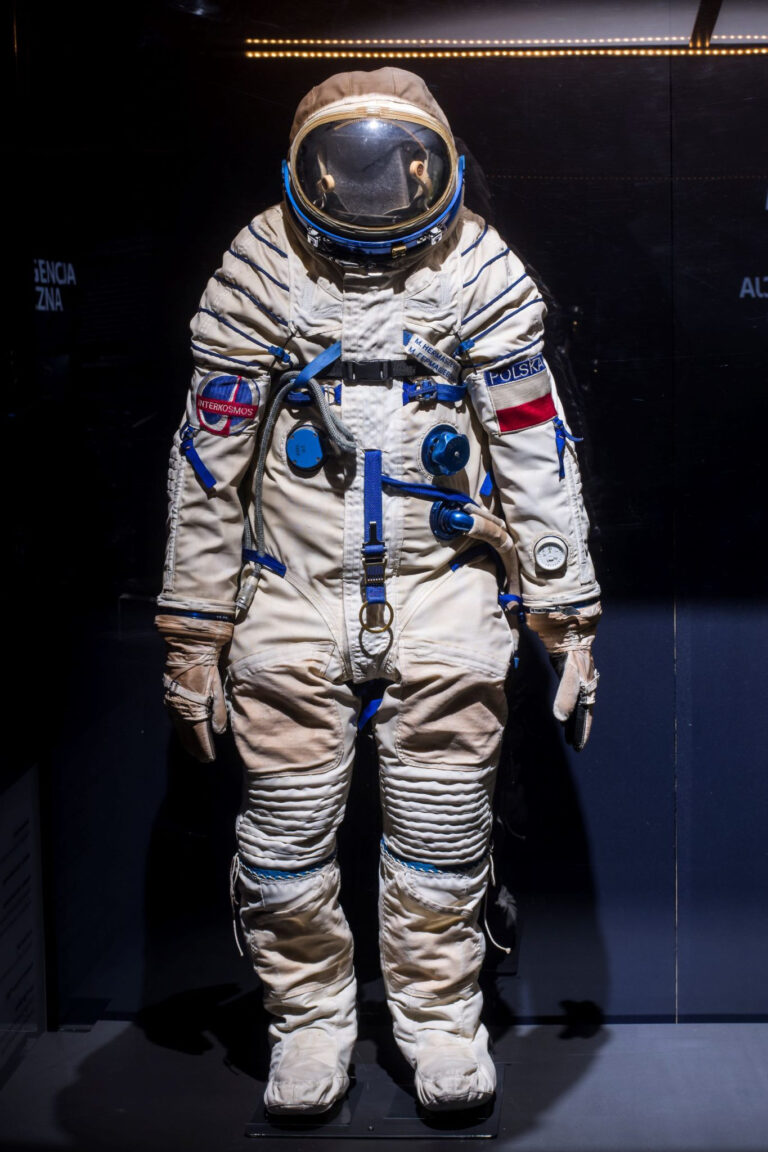
with the space flight of General Mirosław Hermaszewski.
The institution carries out numerous research projects and cooperates with the world’s largest space exploration entities.
It conducts its own experiments as part of NASA and ESA missions, cooperates with the Centre National d’Études Spatiales, NASA’s JPL Center, Princeton University, and many others.
-

Institute of Physical Chemistry Polish Academy of Sciences

-
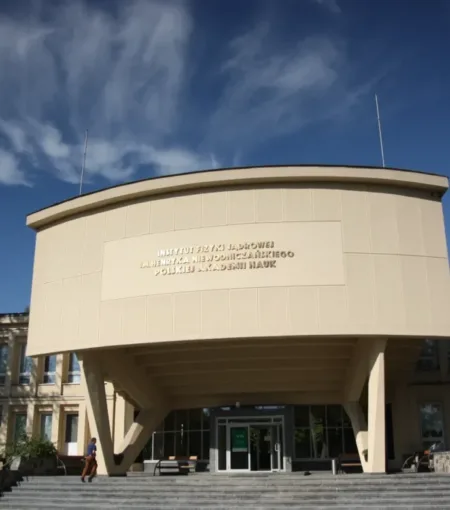
The Henryk Niewodniczański Institute of Nuclear Physics Polish Academy of Sciences
-
Institute of Molecular Physics of the Polish Academy of Sciences
-
Institute of Physics of the Polish Academy of Sciences
-
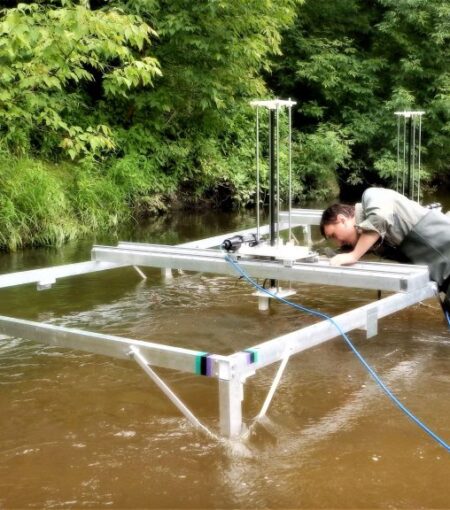
Institute of Geophysics Polish Academy of Sciences
-
Jerzy Haber Institute of Catalysis and Surface Chemistry Polish Academy of Sciences
-
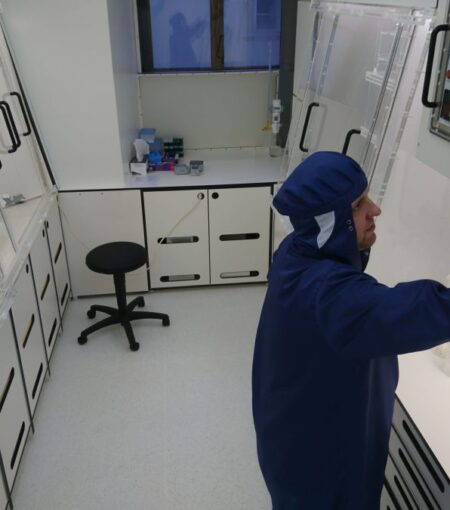
Institute of Geological Sciences, Polish Academy of Sciences
-
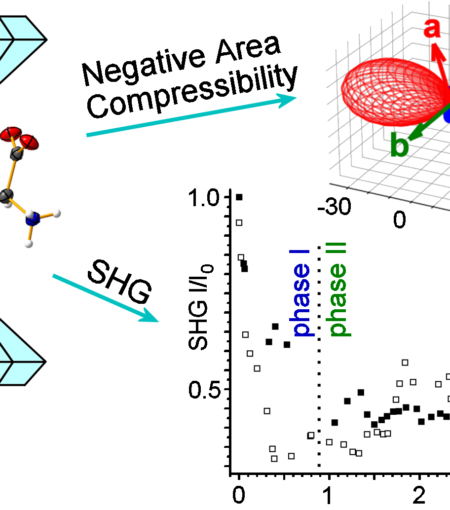
Institute of Low Temperature and Structure Research Polish Academy of Sciences
-
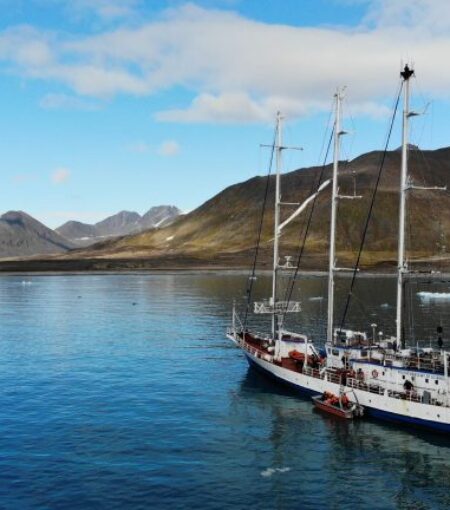
Institute of Oceanology Polish Academy of Sciences
-
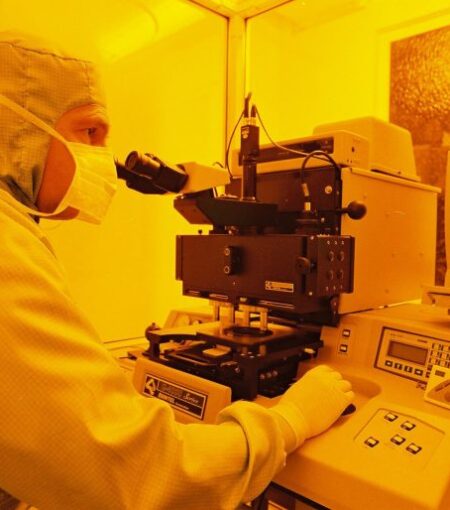
Institute of High Pressure Physics of the Polish Academy of Sciences
-
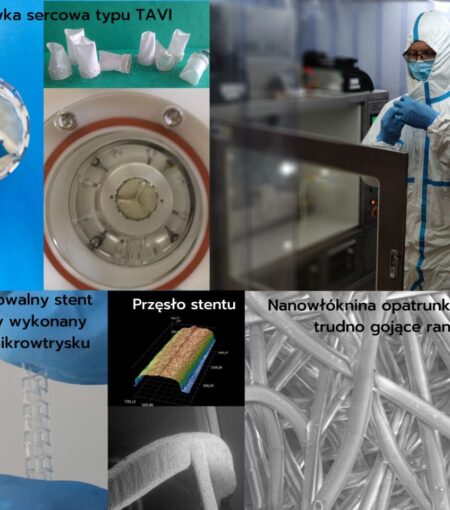
Centre of Polymer Materials of the Polish Academy of Sciences
-
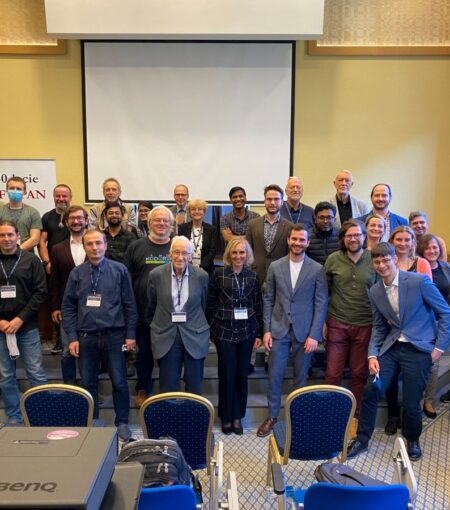
Center for Theoretical Physics of the Polish Academy of Sciences
-
Centre of Molecular and Macromolecular Studies of PAS in Łódź
-
Nicolaus Copernicus Astronomical Center of the Polish Academy of Sciences