Stanisław Leszczycki Institute of Geography and Spatial Organization Polish Academy of Sciences
The Institute of Geography and Spatial Management of the Polish Academy of Sciences (IGiPZ PAN) is a research center integrating scientists from the fields of exact and natural sciences (Earth and environmental sciences) and social sciences (socio-economic geography and spatial management). This makes it a modern and interdisciplinary unit that uses a variety of research methods to seamlessly integrate social and natural issues.
Areas
economics, geodesy and cartography, geography, engineering and environmental protection
 go to the institute's website
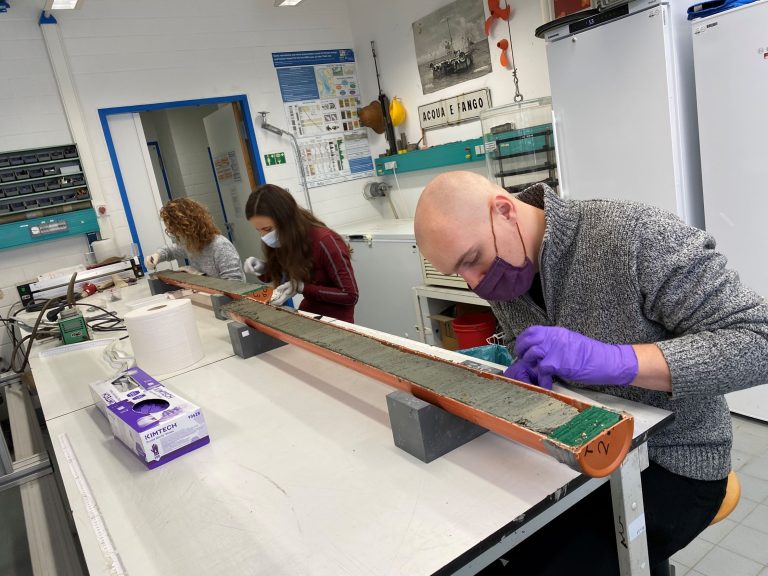
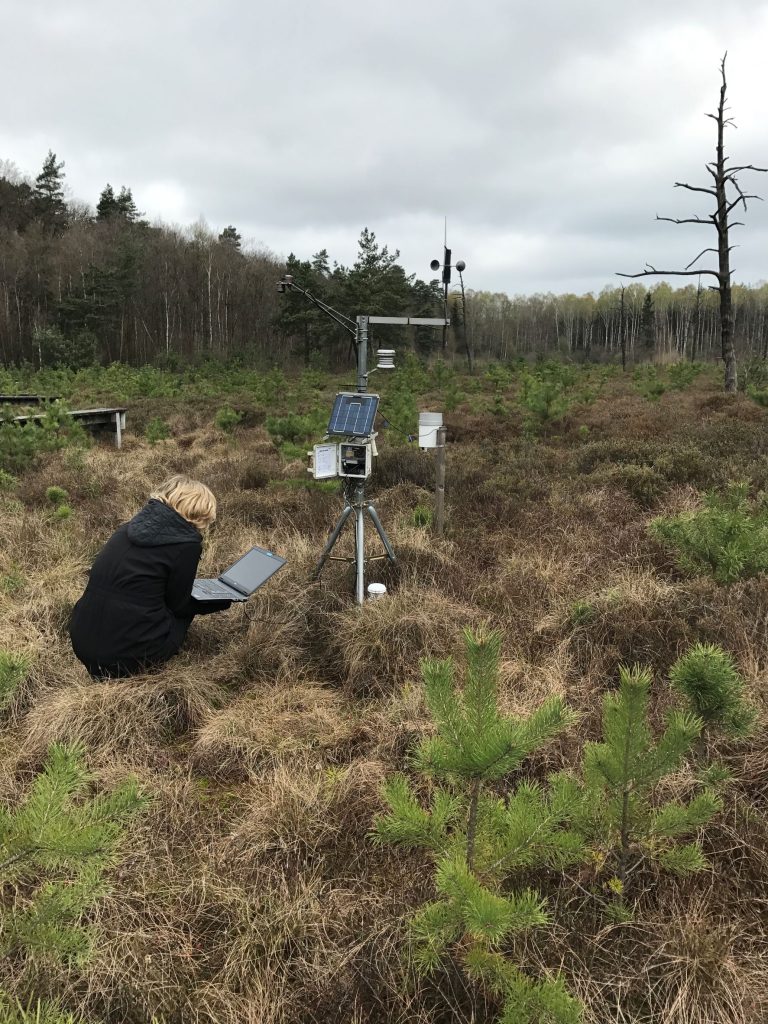
Photo: Sandra Słowińska / IGiPZ PAS
Operating since 1953 (initially as the Institute of Geography of the Polish Academy of Sciences), the unit conducts research focusing in particular on climate change, geoecology, paleogeography, hydrology, urban and rural geography, transport geography, and spatial management.
Each year, the Institute carries out several dozen research projects financed by the National Science Centre and a number of application-oriented projects commissioned by state administration institutions and local governments. IGiPZ PAN researchers also boast intensive international cooperation, documented by numerous research projects under FP6, FP7, HORIZON, ESPON, as well as bilateral projects and participation in international scientific bodies.
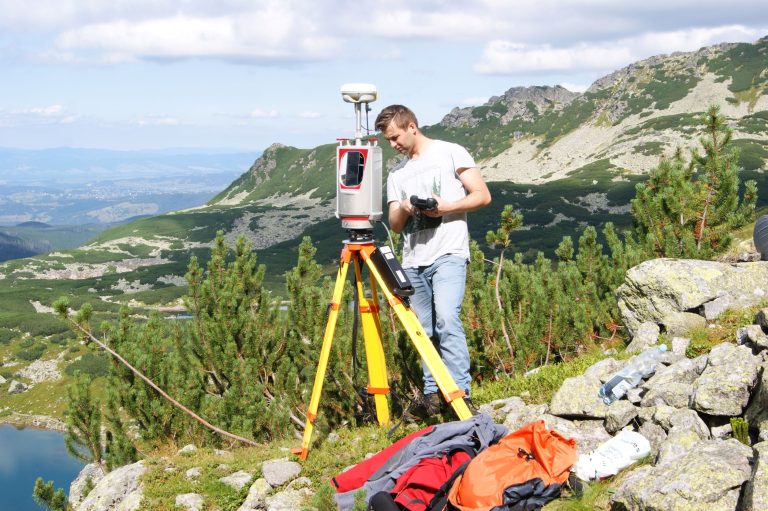
The Institute is also involved in monitoring the natural environment at three research stations (Szymbark – Beskid Niski, Hala Gąsienicowa – Tatary, and Dobiegniewo – Włocławski Reservoir). Together with other units of the Polish Academy of Sciences, it runs two doctoral schools: GeoPlanet and Anthropos. The Institute houses the Central Library of Geography and Environmental Protection, one of the largest institutions of its kind in the world.