Institute of Plant Genetics Polish Academy of Sciences
The Institute of Plant Genetics of the Polish Academy of Sciences (IGR PAN) was established in 1979, but its history dates back to 1954.
Areas
biology, agronomy
 go to the institute's website

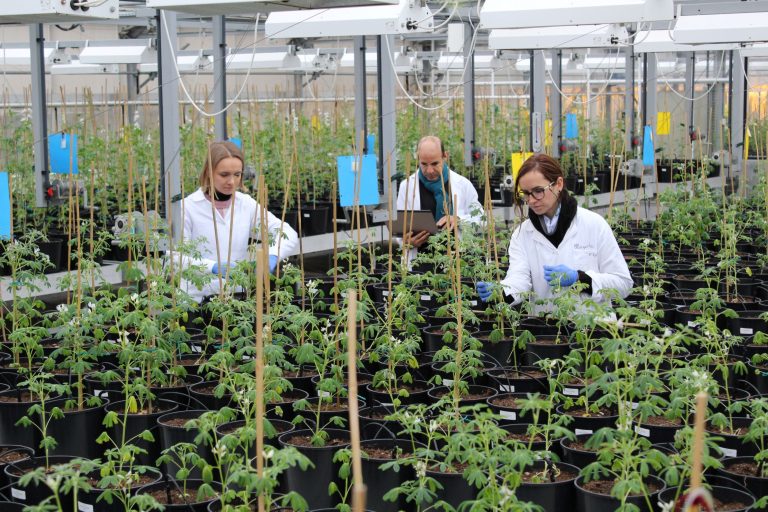

In the early stages, crop research covered genetics, physiology, biochemistry, and mathematical statistics, which were later expanded to include population genetics, cytogenetics, embryology, and phytopathology. Currently, the research area of the IGR PAN covers phenomics, genomics, transcriptomics, proteomics, and metabolomics, both of crop and model species. The unit consists of 13 departments and one laboratory.
Two EU ERA Chair projects implemented at the unit have allowed for the introduction of topics from systems biology and plant nanotechnology. The projects concern, among other things, the structure and function of genes, the mechanisms of plant genome evolution, molecular-genetic networks determining various biosynthesis pathways, molecular mechanisms of resistance to abiotic and biotic environmental stresses, regulation of the flowering process, and plant-derived vaccines. Intelligent collections of gepanch resources are created here, and a methodology for semantic modeling of biological data is being developed.

One of the practical applications of the research results is Europe’s largest decision support system for plant protection, which uses SPEC aerobiological data. IGR PAN runs an International Doctoral Program and is a partner in the consortium of units running the Poznań Doctoral School of the Polish Academy of Sciences Institutes. The unit also owns the Journal of Applied Genetics, which has been in existence since 1960.
-
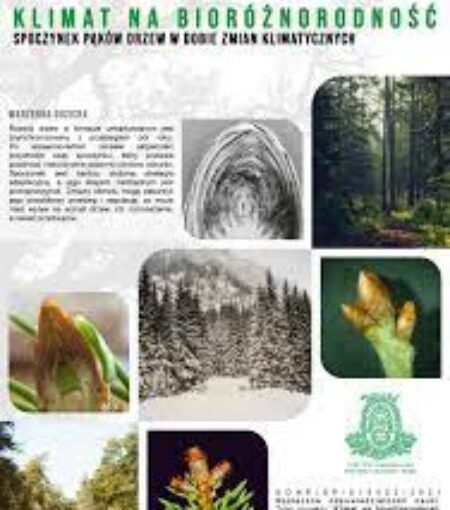
The Institute of Dendrology of the Polish Academy of Sciences

-
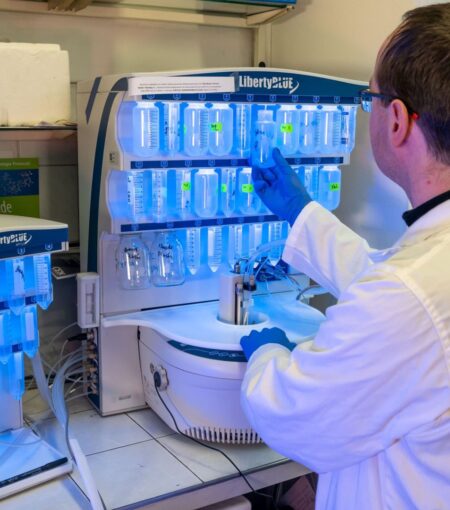
The Institute of Biochemistry and Biophysics of the Polish Academy of Sciences
-

Institute of Bioorganic Chemistry, Polish Academy of Sciences
-
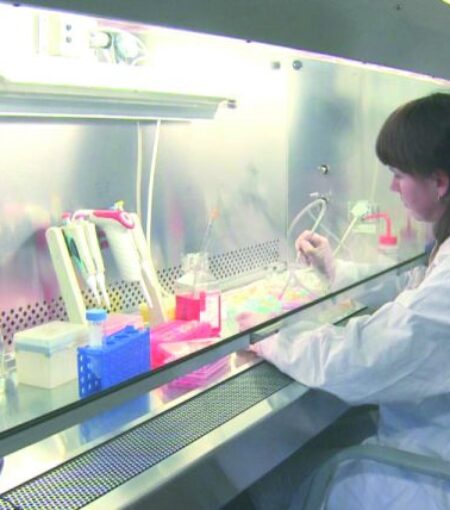
The Kielanowski Institute of Animal Physiology and Nutrition Polish Academy of Sciences
-
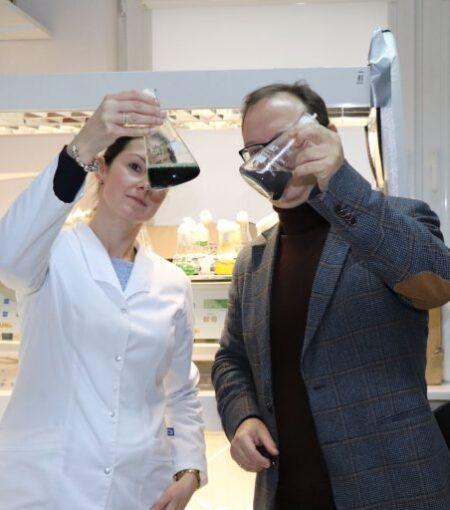
The Franciszek Górski Institute of Plant Physiology Polish Academy of Sciences
-
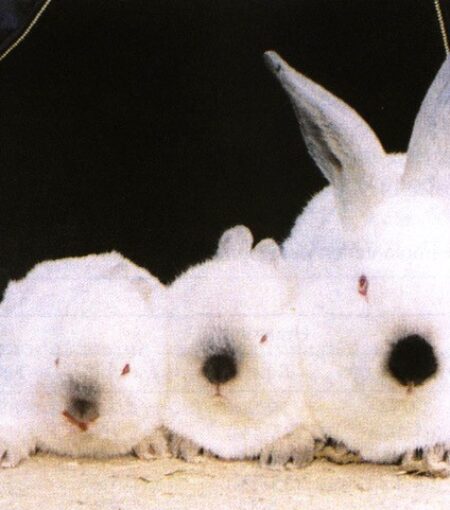
Institute of Genetics and Animal Biotechnology of the Polish Academy of Sciences
-
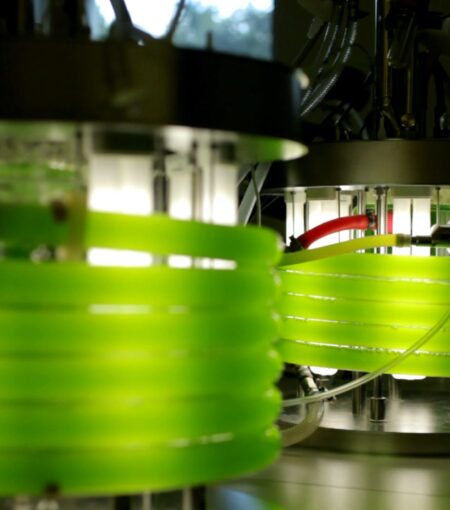
Institute of Agrophysics of Polish Academy of Sciences
-
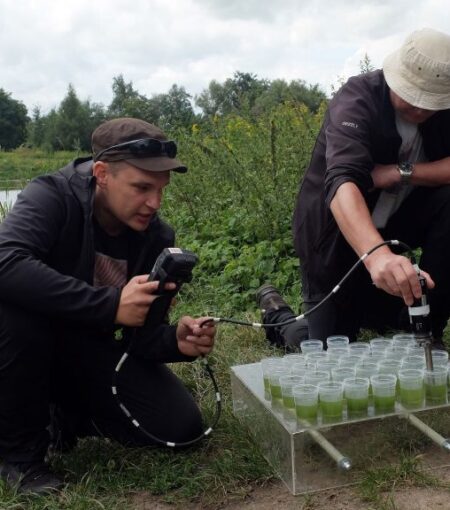
Institute of Nature Conservation
-
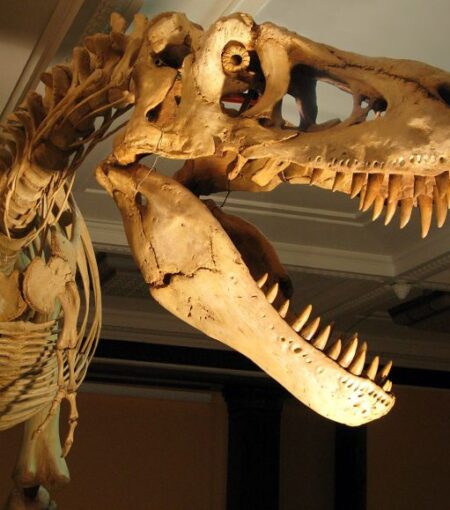
Institute of Paleobiology
-
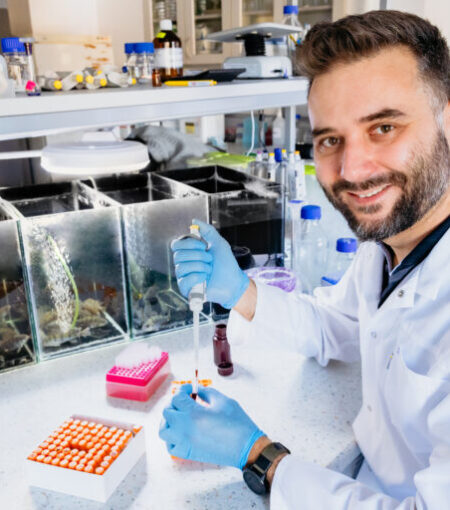
Institute of Animal Reproduction and Food Research of Polish Academy of Sciences
-
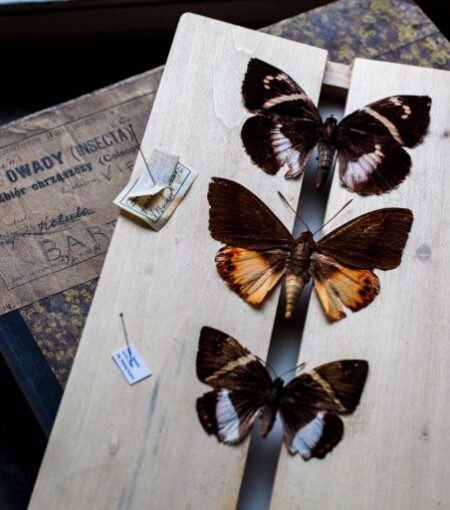
Institute of Systematics and Evolution of Animals Polish Academy of Sciences
-

The International Institute of Molecular Mechanisms and Machines
-

Museum and Institute of Zoology
-
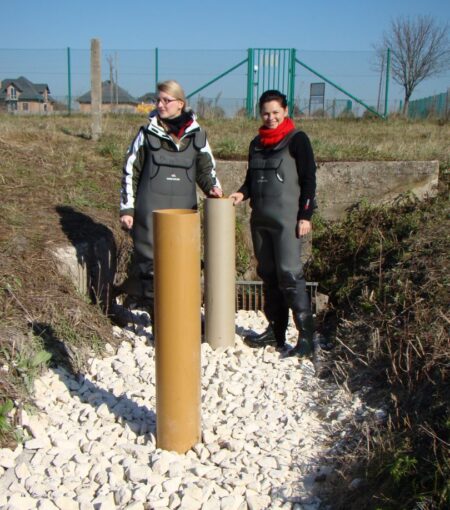
European Regional Centre for Ecohydrology of Polish Academy of Sciences