Institute of Bioorganic Chemistry, Polish Academy of Sciences
The Institute of Bioorganic Chemistry of the Polish Academy of Sciences (ICHB PAN) in Poznań was established in 1969 as a result of the merger of two Polish Academy of Sciences laboratories: Alkaloids and Plant Biochemistry.
Areas
biology, computer science, chemical sciences
 go to the institute's website
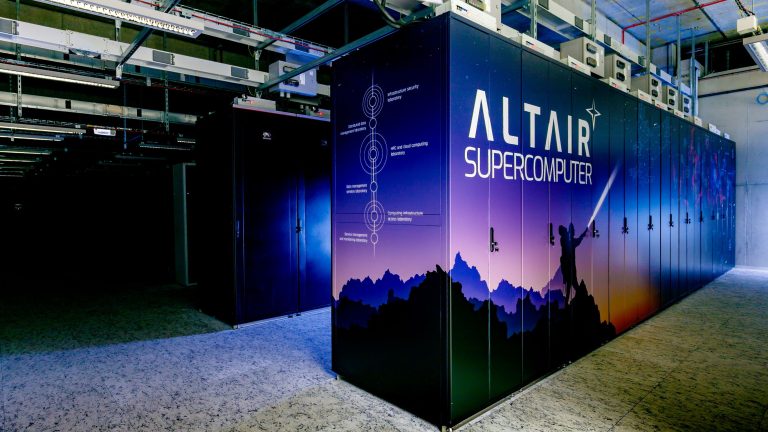
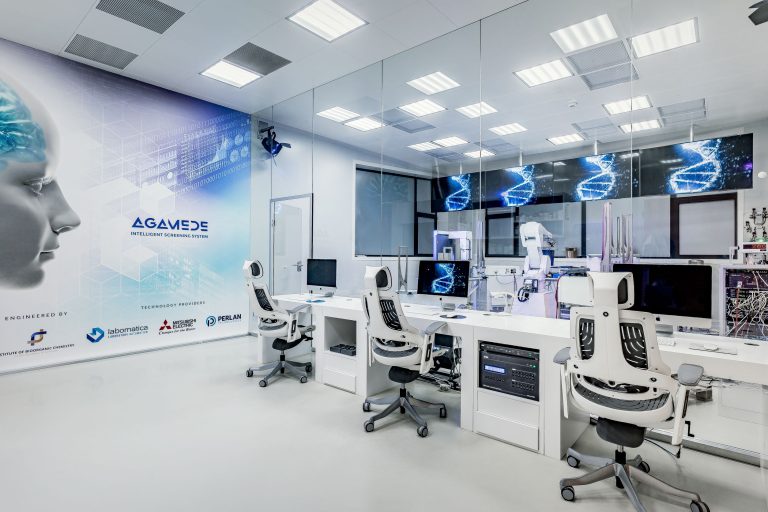
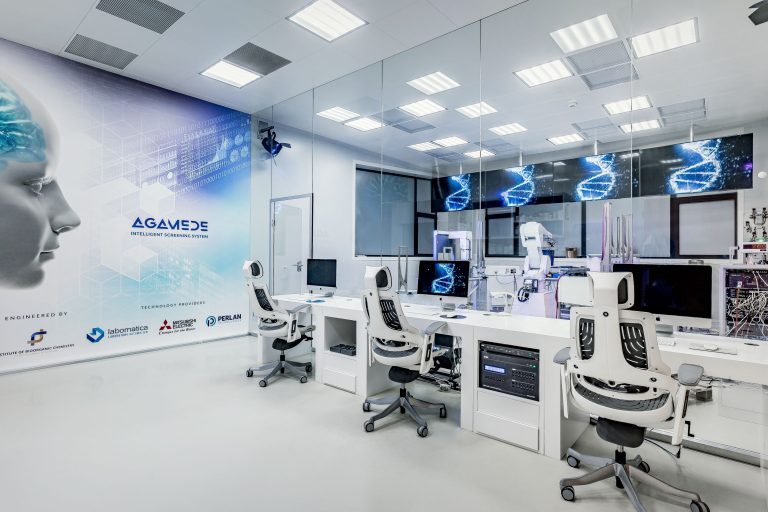
Its uniqueness on a European and even global scale lies in its activities at the intersection of three sciences: chemistry, biology, and computer science. Interdisciplinary research is conducted here in fields such as bioorganic chemistry, biochemistry, molecular biology, systems biology, synthetic biology, and bioinformatics, with a particular focus on research into the synthesis, structure, and function of nucleic acids and proteins and their components, as well as their interactions in model and cellular conditions.
Important elements of the Institute’s structure include the Environmental Doctoral Study Program, the Poznań Doctoral School of the Polish Academy of Sciences Institutes, and the Polish Academy of Sciences Science Center. Together with the Institute of Computer Science at the Poznań University of Technology, the unit has created the European Center for Bioinformatics and Genomics, which is unique in Poland.
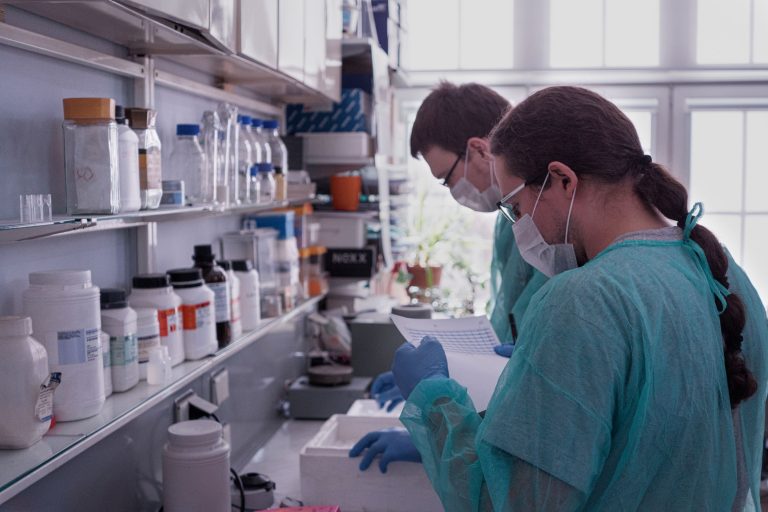
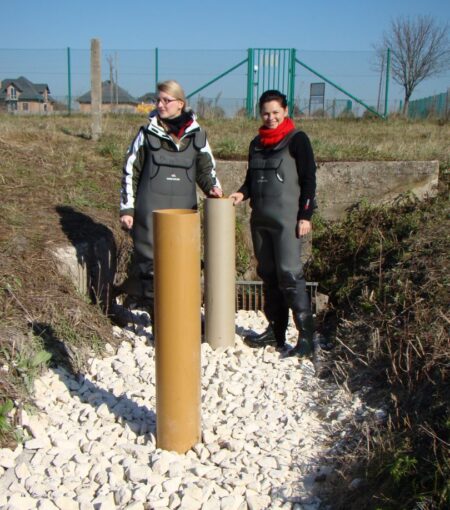
Photo: IChB PAN Archives
PCSS is a research and development center affiliated with the Institute and recognized throughout Europe. The center has been operating since 1993 with the mission of “Integrating and developing the IT infrastructure of science,” serving as the operator of the national scientific network PIONIER – Polish Optical Internet and the High Performance Computing Center. PCSS resources form a hub of pan-European research infrastructure, complemented by extensive technological laboratories located at the Polish Optical Internet Research Center. The work carried out here concerns, among other things, quantum processing and communication technologies, cybersecurity, artificial intelligence, advanced visualization, and energy efficiency.
The center is known for its activity in European-funded research projects, in which it works on modern technologies and their applications for Industry 4.0, precision agriculture, personalized medicine, aviation, smart cities, interactive media, and digital humanities, among others.
The unit has the highest scientific category of A+.
-
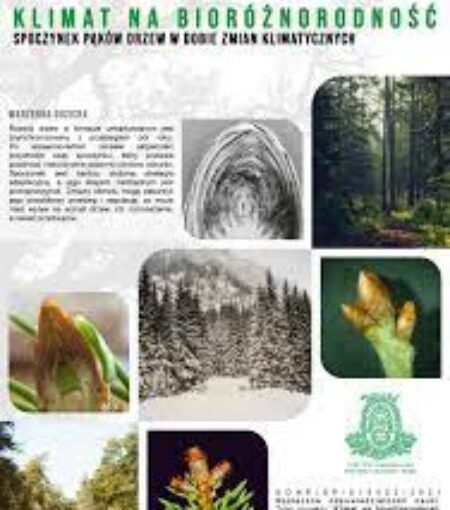
The Institute of Dendrology of the Polish Academy of Sciences

-
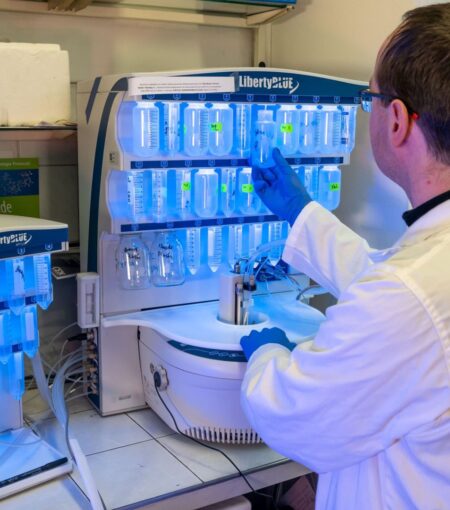
The Institute of Biochemistry and Biophysics of the Polish Academy of Sciences
-
The Kielanowski Institute of Animal Physiology and Nutrition Polish Academy of Sciences
-
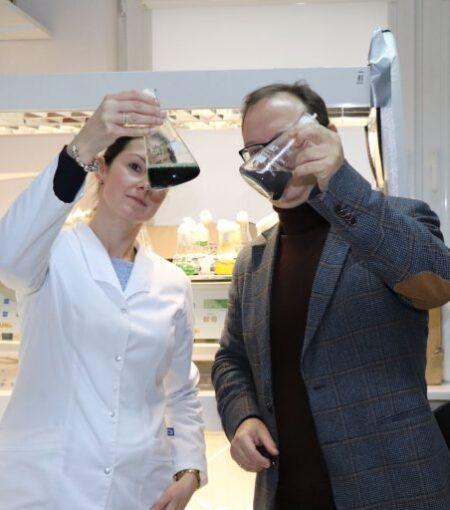
The Franciszek Górski Institute of Plant Physiology Polish Academy of Sciences
-
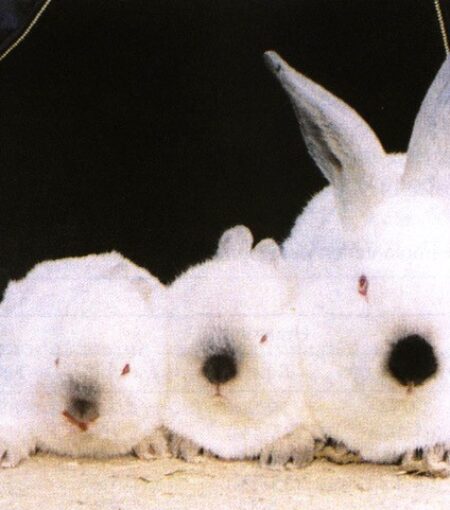
Institute of Genetics and Animal Biotechnology of the Polish Academy of Sciences
-
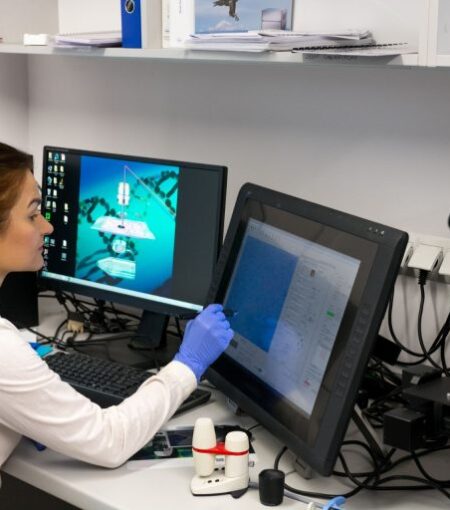
Institute of Plant Genetics Polish Academy of Sciences
-
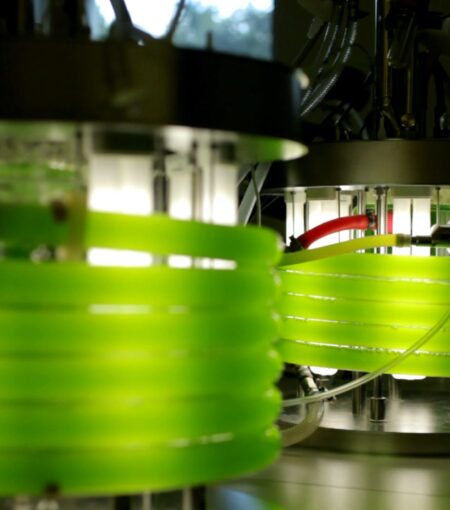
Institute of Agrophysics of Polish Academy of Sciences
-
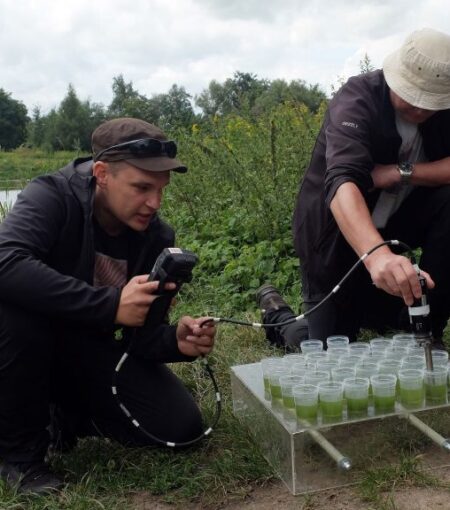
Institute of Nature Conservation
-
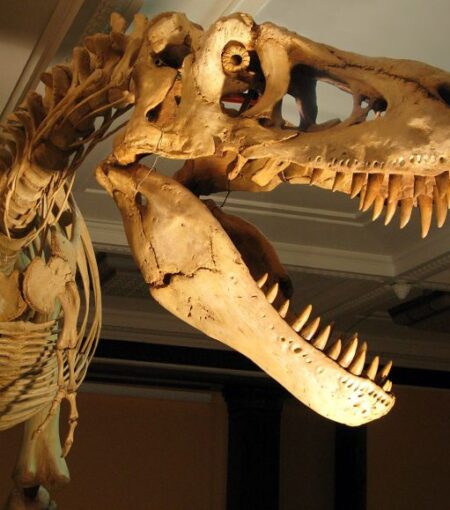
Institute of Paleobiology
-
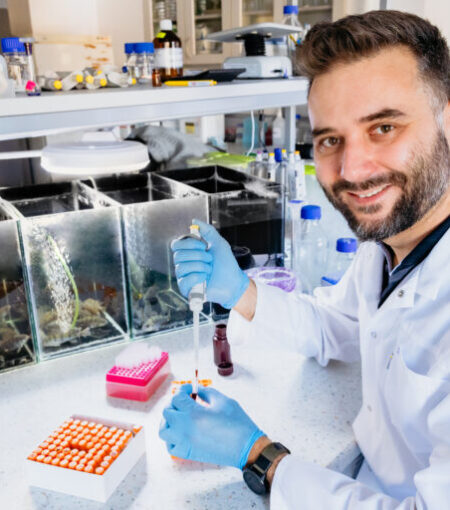
Institute of Animal Reproduction and Food Research of Polish Academy of Sciences
-
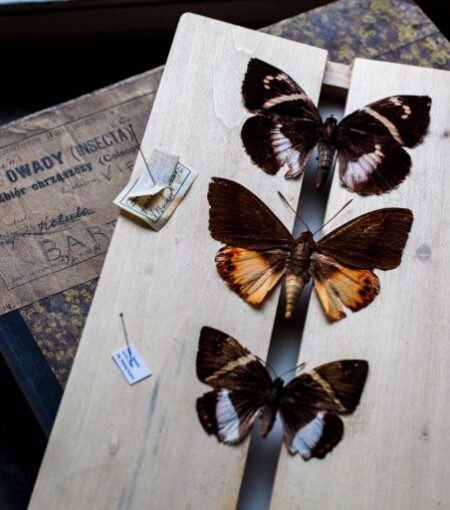
Institute of Systematics and Evolution of Animals Polish Academy of Sciences
-
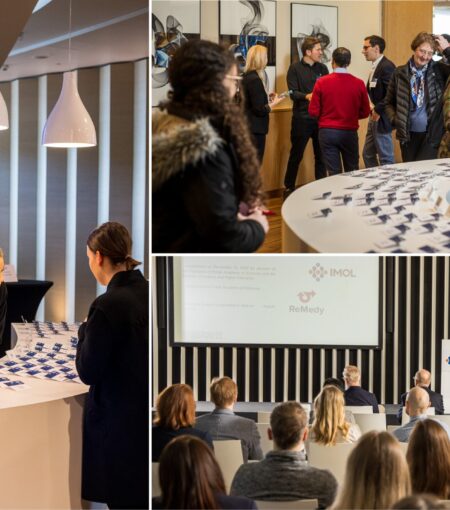
The International Institute of Molecular Mechanisms and Machines
-

Museum and Institute of Zoology
-
European Regional Centre for Ecohydrology of Polish Academy of Sciences