Institute of Nature Conservation Polish Academy of Science
The Institute of Nature Conservation of the Polish Academy of Sciences (IOP PAN) in Krakow was established in 1952 and is one of the few institutions in the world (and the only one in Poland) conducting interdisciplinary research focused on the protection of natural heritage.
Areas:
biology
 go to the institute's website
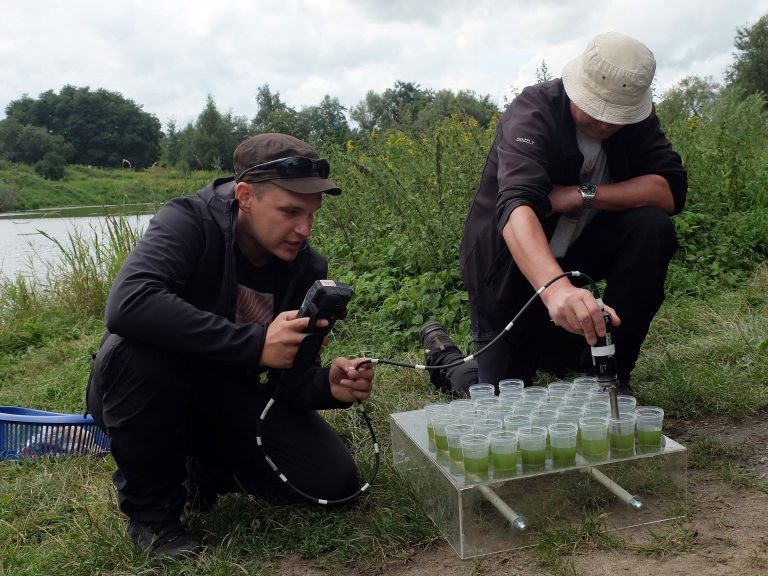
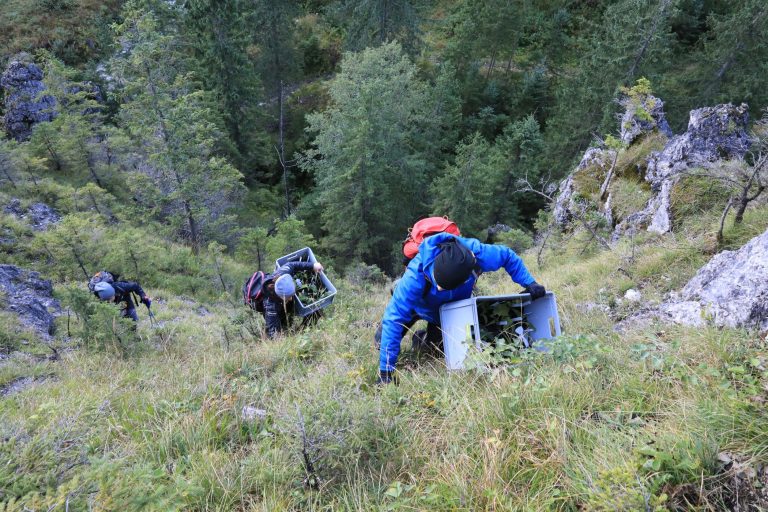
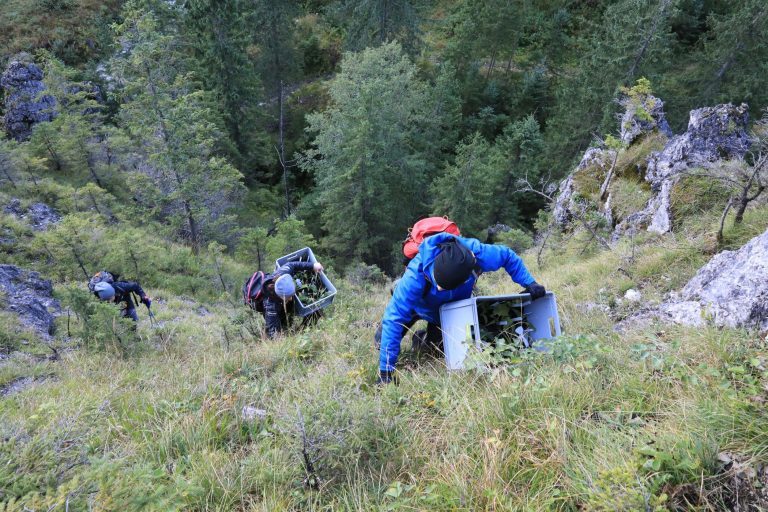
Photo: Paweł Olejniczak / IOP PAN
The aim of basic research and applied work is to create a scientific basis for the contemporary protection of living and non-living nature.
The research topics concern the preservation of species diversity in the plant and animal world, ecology and the basics of protecting rare and endangered species, the sustainability of natural resource use and the maintenance of natural processes, water biology, geo-protection, and so-called conservation biology and the social dimension of nature conservation. The research documents the state and threats to biodiversity, and its results are used to create and implement species and habitat conservation programs.
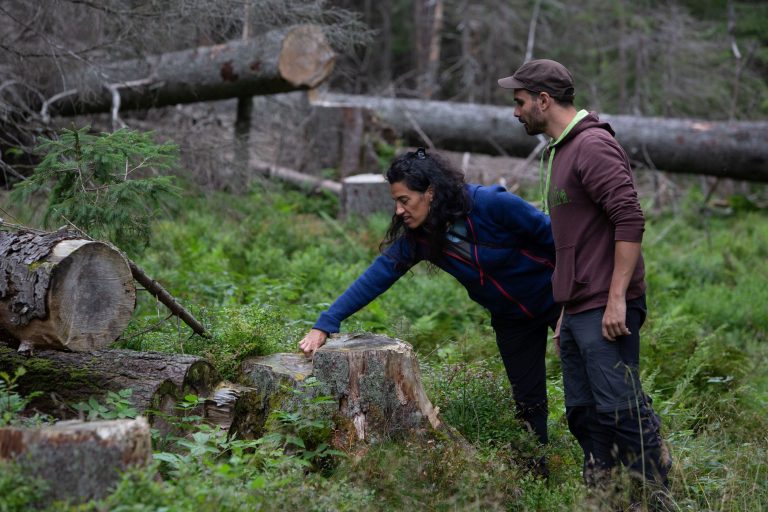
The projects conducted concern, among other things, the impact of climate change on aquatic ecosystems, the ecology and protection of selected species, the ecology of human-wildlife conflict, and the invasion of alien species.
The Institute also maintains databases (e.g., of alien species, mammals, amphibians and reptiles, cyanobacterial blooms), publishes red books and red lists of plants and animals. It also publishes the quarterly magazine “Chrońmy Przyrodę Ojczystą” (Let’s Protect Our Native Nature). By conducting classes and lectures and actively participating in Science Festivals, it is involved in the promotion of science.
-
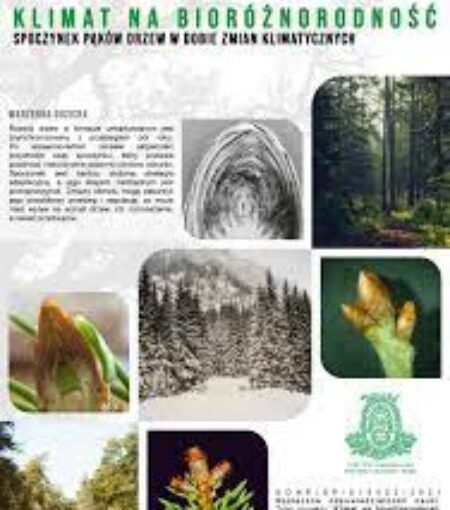
The Institute of Dendrology of the Polish Academy of Sciences

-
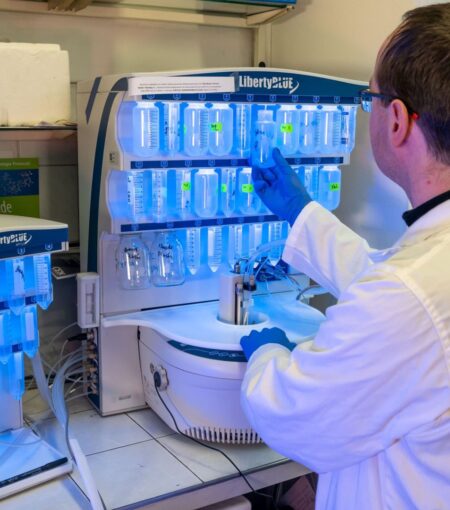
The Institute of Biochemistry and Biophysics of the Polish Academy of Sciences
-

Institute of Bioorganic Chemistry, Polish Academy of Sciences
-
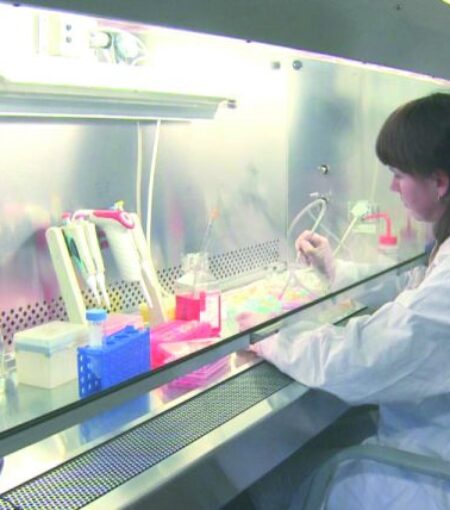
The Kielanowski Institute of Animal Physiology and Nutrition Polish Academy of Sciences
-
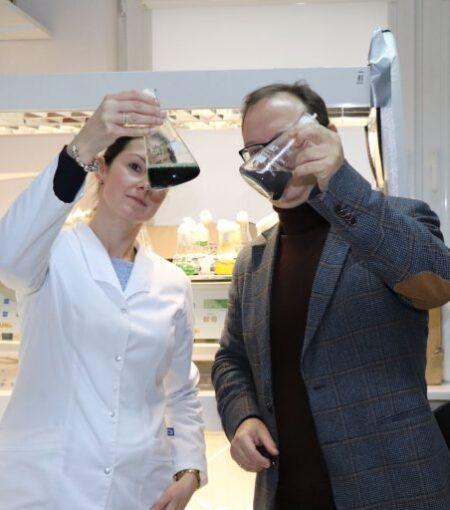
The Franciszek Górski Institute of Plant Physiology Polish Academy of Sciences
-
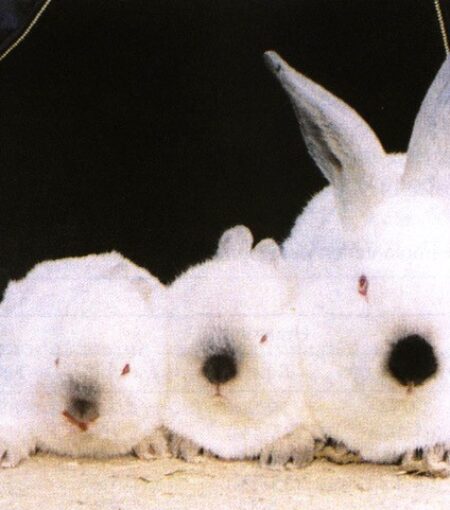
Institute of Genetics and Animal Biotechnology of the Polish Academy of Sciences
-
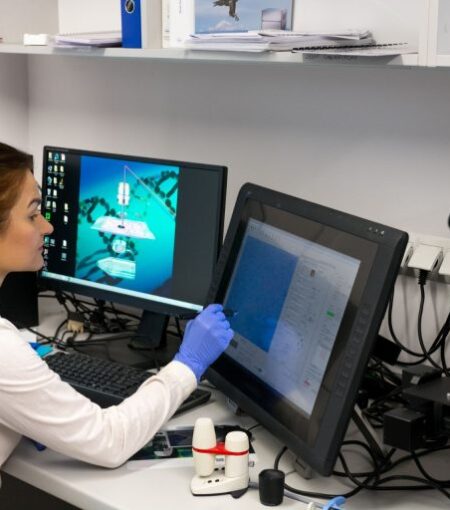
Institute of Plant Genetics Polish Academy of Sciences
-
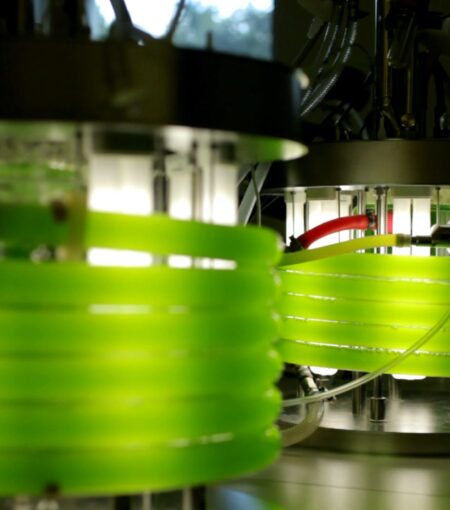
Institute of Agrophysics of Polish Academy of Sciences
-
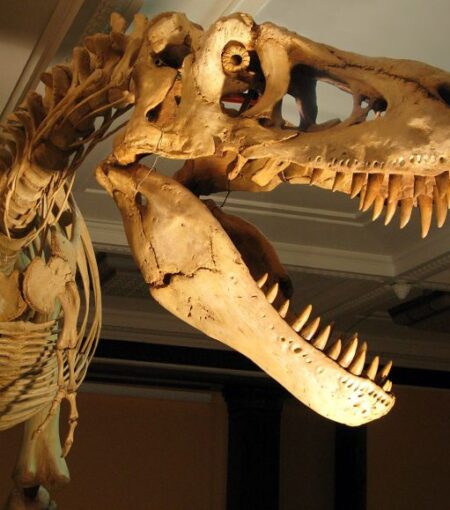
Institute of Paleobiology
-
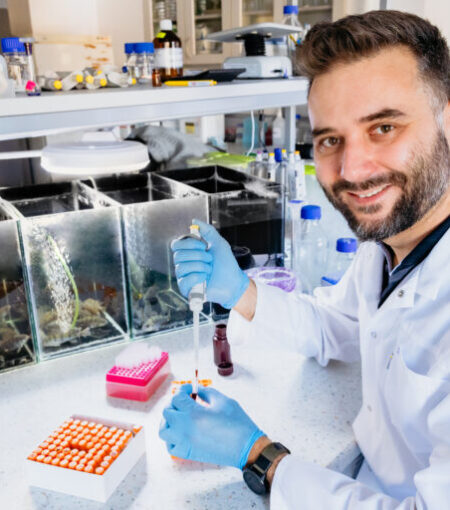
Institute of Animal Reproduction and Food Research of Polish Academy of Sciences
-
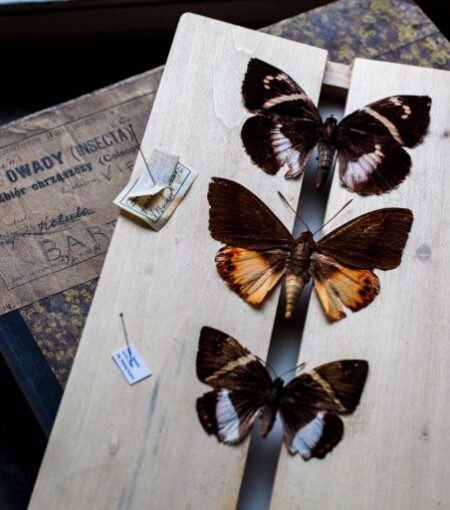
Institute of Systematics and Evolution of Animals Polish Academy of Sciences
-

The International Institute of Molecular Mechanisms and Machines
-

Museum and Institute of Zoology
-
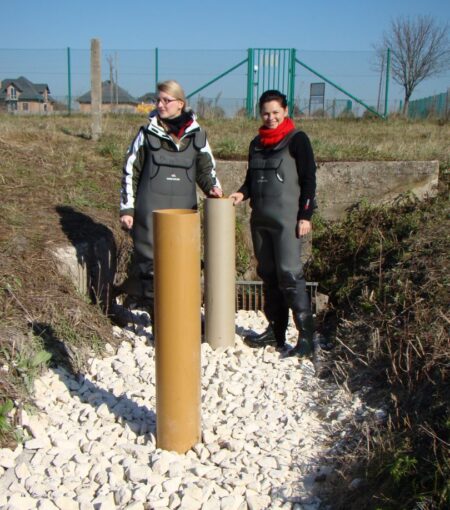
European Regional Centre for Ecohydrology of Polish Academy of Sciences