Institute of Physical Chemistry Polish Academy of Sciences
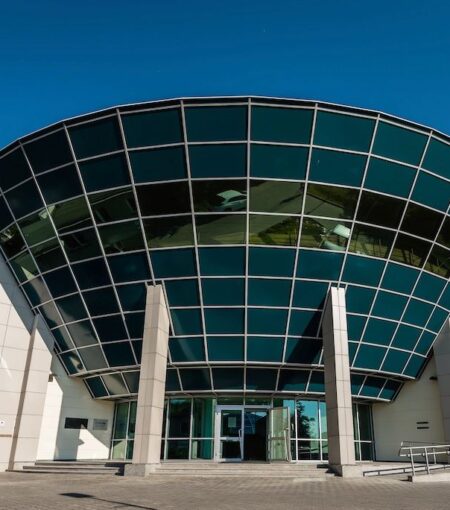
Founded in 1955, the Institute of Physical Chemistry of the Polish Academy of Sciences (IChF PAN) conducts a wide range of research in the field of chemistry and at the intersection of chemistry, physics, and biology. The research conducted includes microfluidics, charge transfer processes, photoactive systems, cooperative catalysis, soft matter, the physicochemistry of bacteria, and advanced materials. The quality of the work is confirmed by the highest scientific category of research units (A+).
Translated with DeepL.com (free version)
Areas:
physical chemistry, chemistry at the intersection of biology/medicine, physics
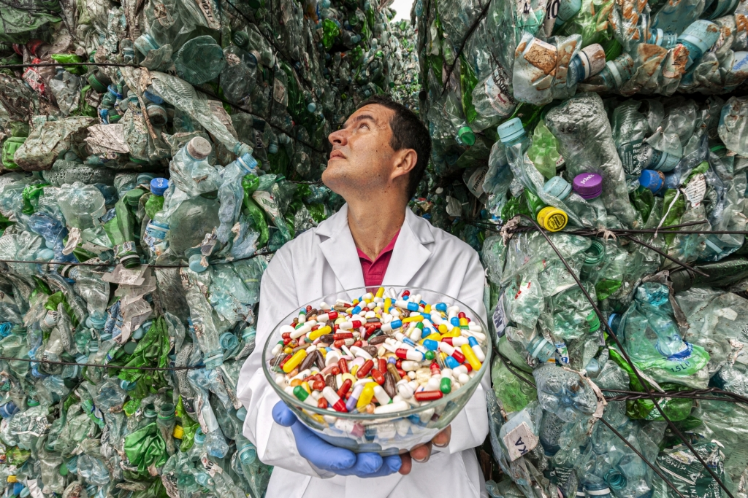
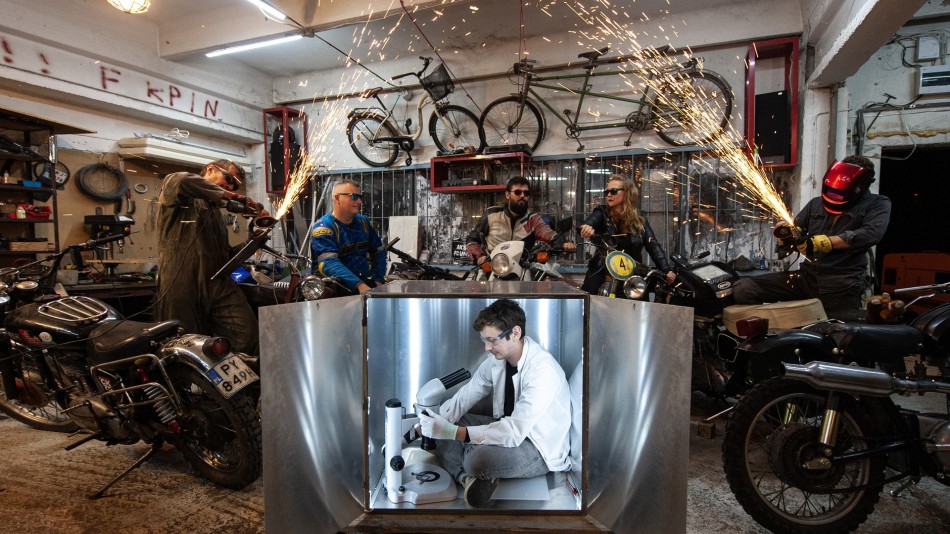
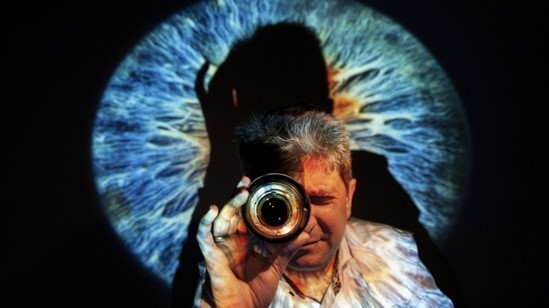
One of the teams is the Dioscuri Center of Excellence, established jointly with the Max Planck Society. Another team has become part of the Virtual Research Institute funded by Łukasiewicz PORT. The International Eye Research Center, operating as part of the FNP International Research Agendas program, is a separate entity. The research is funded by Polish and EU agencies through nearly 100 grants (as of 2021) totaling PLN 27 million.
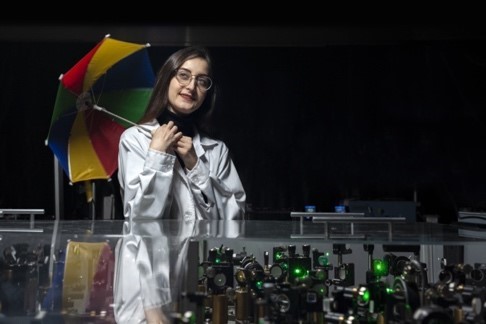
The interdisciplinary environment of the Institute gives rise to ideas that lead to the creation of new materials and devices. These ideas are further developed in spin-off companies established by employees of the IPC PAS, including Scope Fluidics and Curiosity Diagnostics, which operate in the field of medical diagnostics.
Areas: physical chemistry, chemistry at the intersection of biology/medicine, physics
-
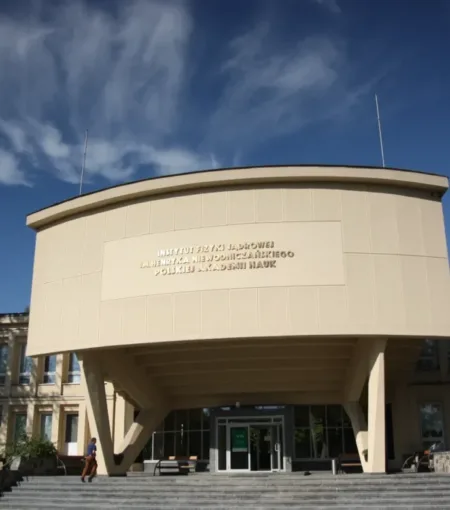
The Henryk Niewodniczański Institute of Nuclear Physics Polish Academy of Sciences

-

Institute of Molecular Physics of the Polish Academy of Sciences
-
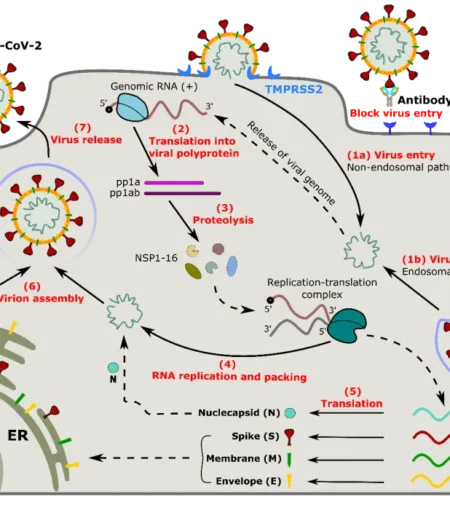
Institute of Physics of the Polish Academy of Sciences
-
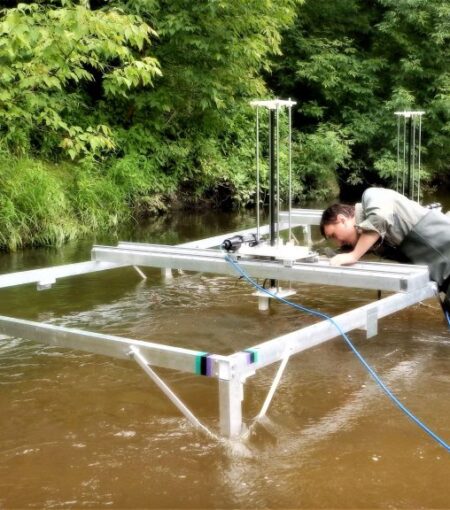
Institute of Geophysics Polish Academy of Sciences
-
Jerzy Haber Institute of Catalysis and Surface Chemistry Polish Academy of Sciences
-
Institute of Mathematics of the Polish Academy of Sciences
-
Institute of Geological Sciences, Polish Academy of Sciences
-
Institute of Low Temperature and Structure Research Polish Academy of Sciences
-

Institute of Oceanology Polish Academy of Sciences
-
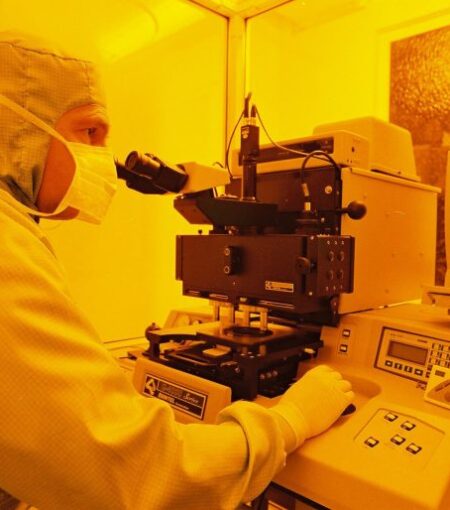
Institute of High Pressure Physics of the Polish Academy of Sciences
-
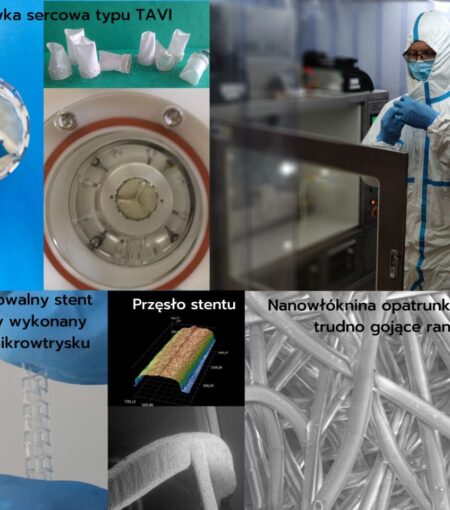
Centre of Polymer Materials of the Polish Academy of Sciences
-
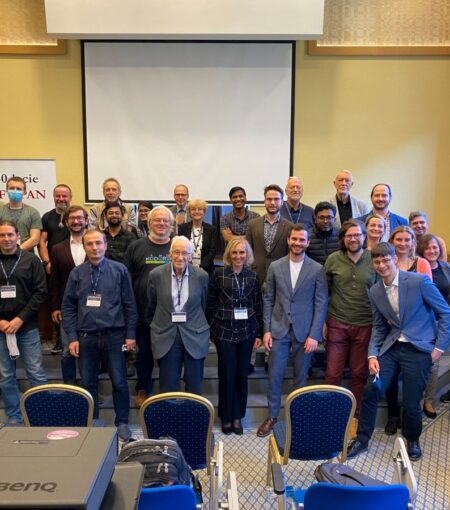
Center for Theoretical Physics of the Polish Academy of Sciences
-

Centre of Molecular and Macromolecular Studies of PAS in Łódź
-

Space Research Centre of the Polish Academy of Sciences
-
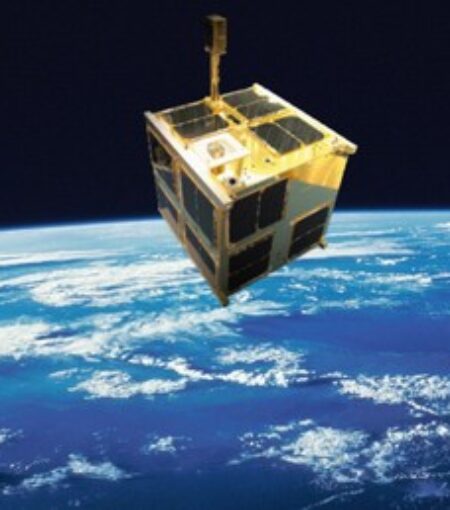
Nicolaus Copernicus Astronomical Center of the Polish Academy of Sciences