Institute of Systematics and Evolution of Animals Polish Academy of Sciences
The Institute of Systematics and Evolution of Animals of the Polish Academy of Sciences (ISEZ PAN) was established in 1989 from the Department of Systematic and Experimental Zoology of the Polish Academy of Sciences.
Areas
biology
 go to the institute's website
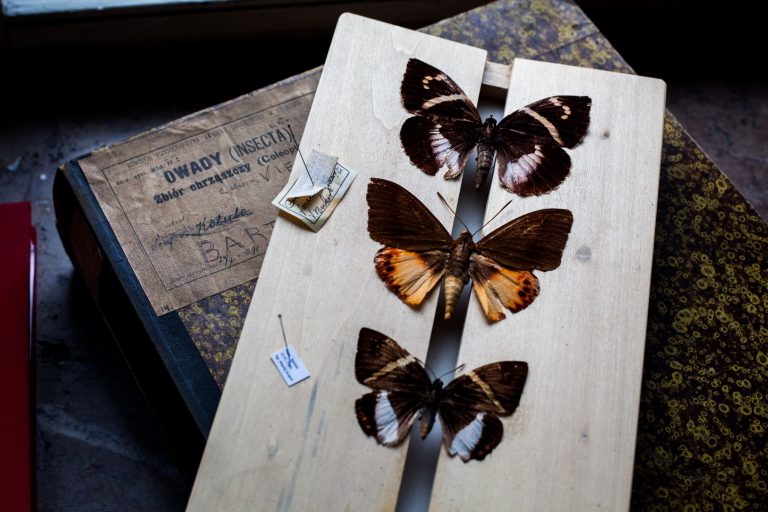
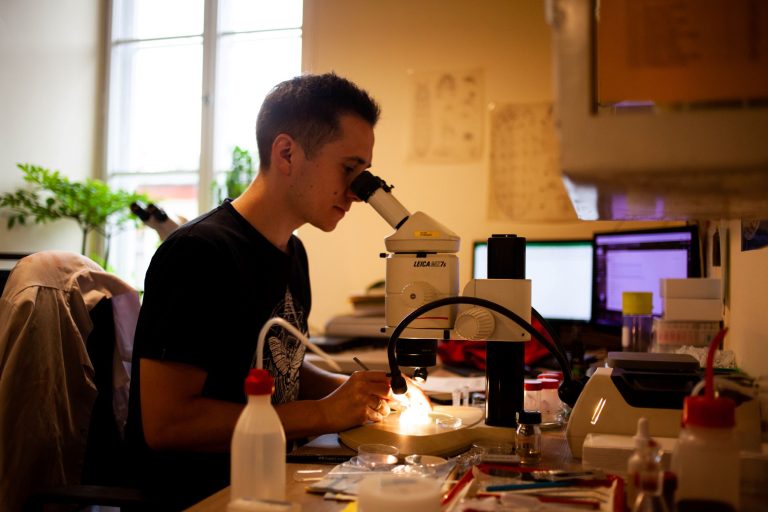
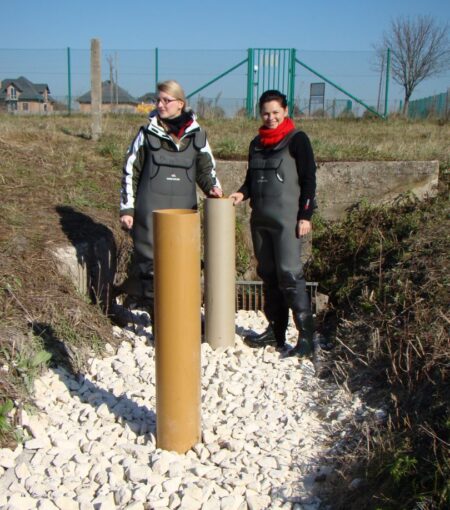
Photo: Karolina Fok / Institute of Systematics and Evolution of Animals, Polish Academy of Sciences
However, the history of the Institute dates back to 1865, when the Physiographic Commission was established by the Krakow Scientific Society. At the same time, the Natural History Museum was founded under its original name, the Physiographic Museum. Today, the museum is an integral part of ISEZ PAN.
The Institute’s activities focus on taxonomic, phylogenetic, paleontological, biogeographical, and related research on the evolution and biodiversity of extant and fossil animals.
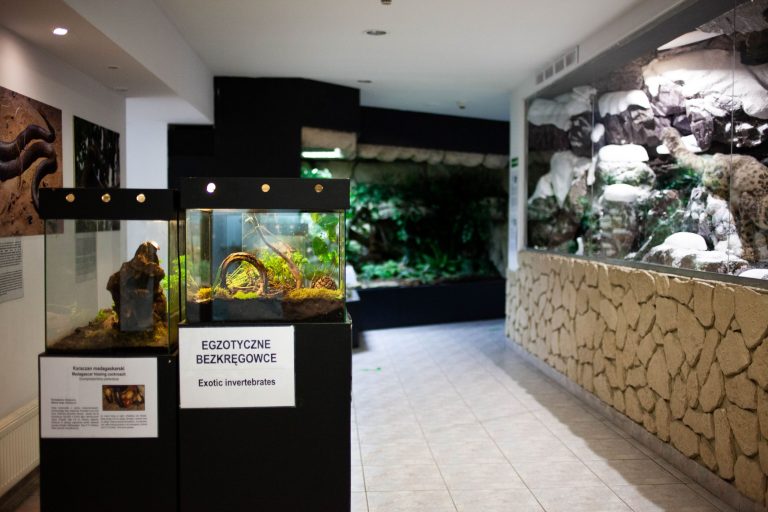
Photo: Karolina Fok / Institute of Systematics and Evolution of Animals, Polish Academy of Sciences
The second aspect of the Institute’s activity is the collection, storage, and sharing of scientific zoological collections. The ISEZ PAN’s Scientific Zoological Collection contains specimens collected regularly from the early 19th century to the present day. It is one of the two largest zoological collections in Poland and one of the most important collections in Europe (over 2.1 million specimens).
The dissemination of knowledge about the Institute’s scientific activities is mainly carried out by the ISEZ PAN Natural History Museum. The museum is actively involved in educating the public, including preschoolers and primary and secondary school students, by organizing numerous exhibitions, shows, and workshops.
-
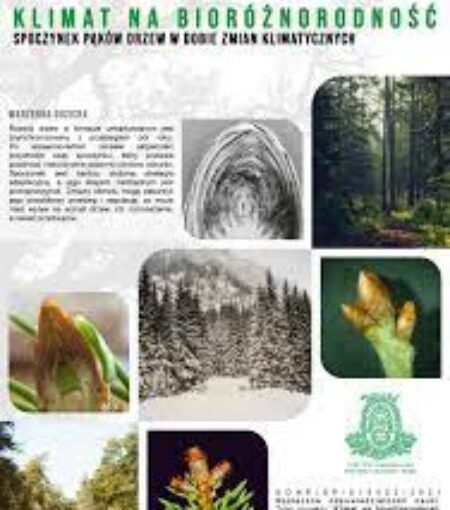
The Institute of Dendrology of the Polish Academy of Sciences

-
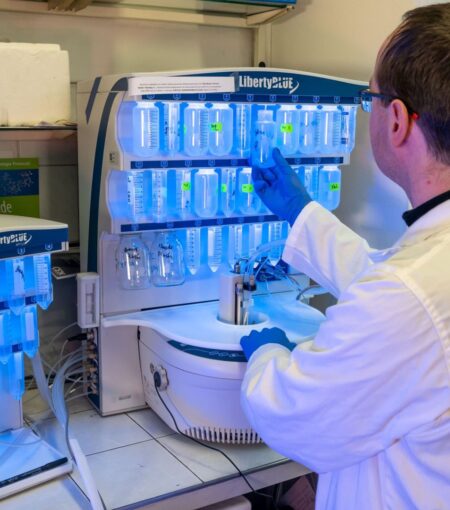
The Institute of Biochemistry and Biophysics of the Polish Academy of Sciences
-
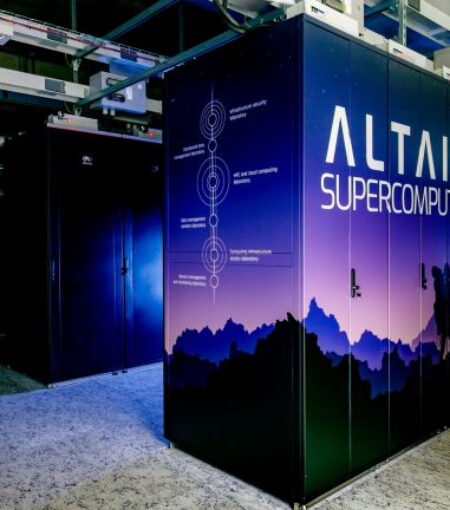
Institute of Bioorganic Chemistry, Polish Academy of Sciences
-
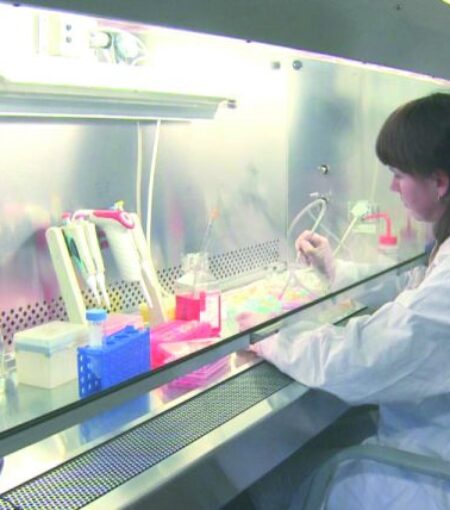
The Kielanowski Institute of Animal Physiology and Nutrition Polish Academy of Sciences
-
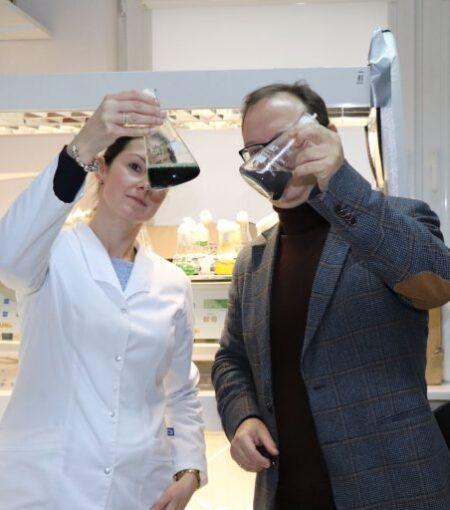
The Franciszek Górski Institute of Plant Physiology Polish Academy of Sciences
-
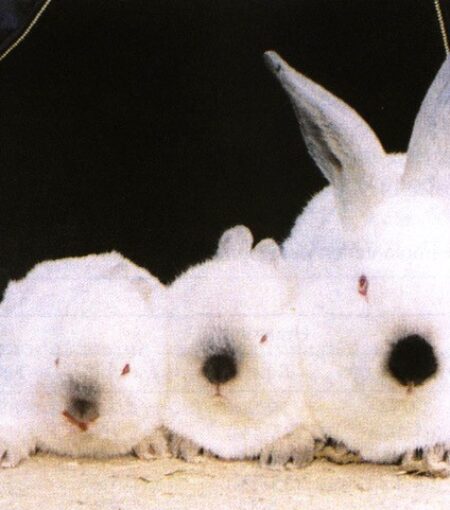
Institute of Genetics and Animal Biotechnology of the Polish Academy of Sciences
-
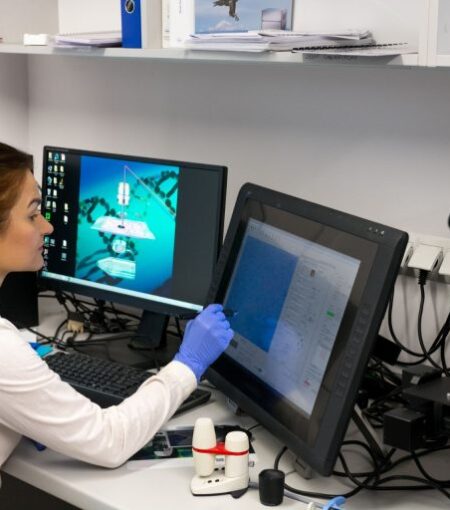
Institute of Plant Genetics Polish Academy of Sciences
-
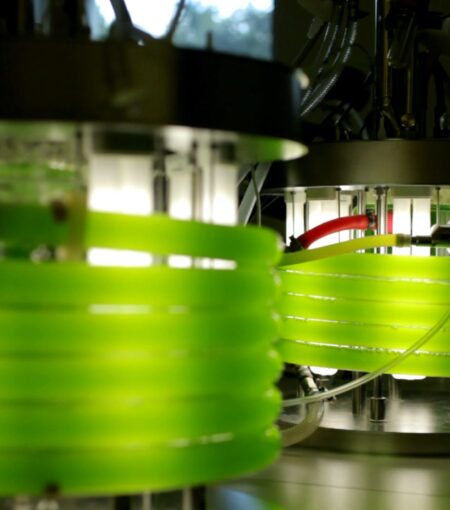
Institute of Agrophysics of Polish Academy of Sciences
-
Institute of Nature Conservation
-
Institute of Paleobiology
-
Institute of Animal Reproduction and Food Research of Polish Academy of Sciences
-
The International Institute of Molecular Mechanisms and Machines
-

Museum and Institute of Zoology
-
European Regional Centre for Ecohydrology of Polish Academy of Sciences