The Henryk Niewodniczański Institute of Nuclear Physics Polish Academy of Sciences
The history of the Institute began in 1953, when a branch of the Warsaw Institute of Physics of the Polish Academy of Sciences, namely the Department of Ferromagnets and Ferroelectrics, was opened in Poznań. After several transformations, the Institute of Molecular Physics (IFM PAN) was established in 1975.
Areas
food and nutrition technology, animal science
 go to the institute's website
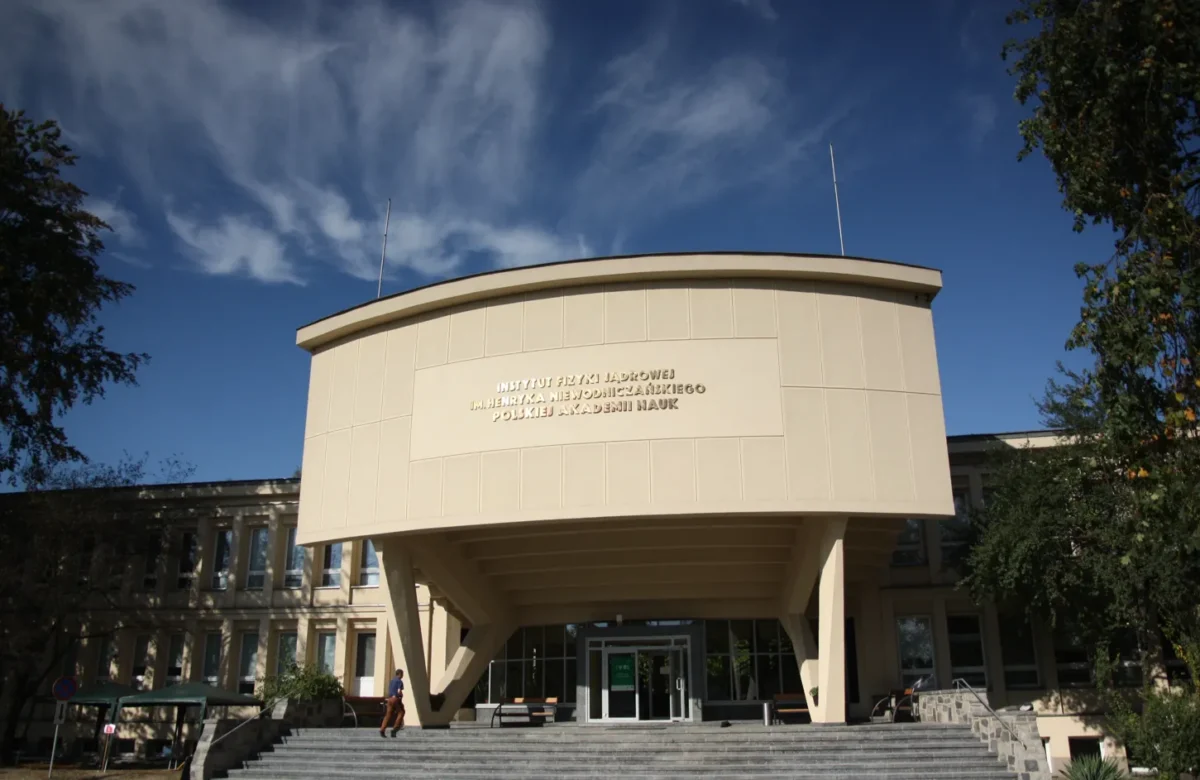
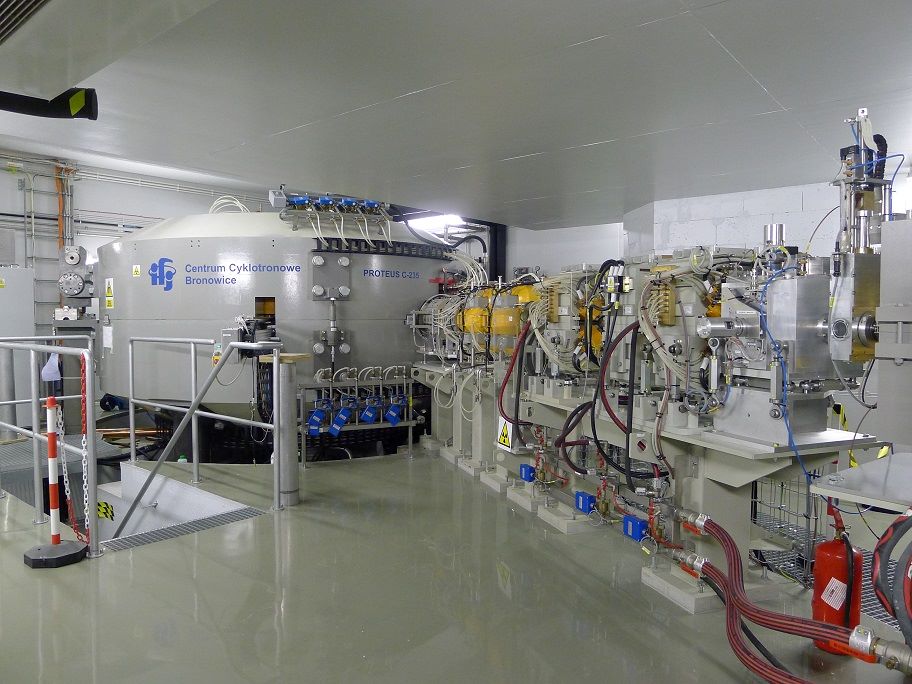
The Institute of Nuclear Physics was established thanks to the efforts of Prof. Henryk Niewodniczański (1900-1968) in Krakow-Bronowice, and its origins date back to 1955. Currently, the Henryk Niewodniczański Institute of Nuclear Physics (IFJ PAN) is one of the largest institutes of the Polish Academy of Sciences, with an A+ rating in the field of physical sciences.
The institute conducts basic and applied research in the field of physics and related sciences. Using the latest achievements in technology and information technology at IFJ PAN, basic research is conducted, ranging from elementary particle physics and astrophysics, nuclear physics and strong interaction physics, to condensed matter physics and interdisciplinary and applied research related to physics in medicine, biology, dosimetry, environmental protection, radiochemistry, high-temperature plasma diagnostics, as well as research on complex systems such as the human brain, financial markets, and linguistics.

IFJ PAN scientists are involved in the most advanced international research projects conducted in Europe and beyond, including in the United States and Japan. Engineers from the unit are world-renowned specialists who contribute significantly to the construction of large international research infrastructures.
The Bronowice Cyclotron Center is part of the Institute. It is a modern center, unique in Europe, combining basic research with applications. It conducts proton therapy for cancer, basic research in nuclear physics and medical physics, dosimetry, microdosimetry, radiobiology, and materials engineering. IFJ PAN also operates four accredited research and measurement laboratories.
In 2019, the Institute established the interinstitutional Krakow Interdisciplinary Doctoral School (KISD), which is jointly run by the IFJ PAN and the Krakow scientific and academic community. The aim of the school is to develop science and society through up-to-date and modern research topics and a flexible education program. KISD offers doctoral students education in the fields of exact and natural sciences, medical and health sciences, as well as engineering and technical sciences.
Fields: physics and related sciences (medical biology, electronics, geophysics, computer science, engineering and environmental protection, materials engineering, chemistry).
-

Institute of Physical Chemistry Polish Academy of Sciences

-

Institute of Molecular Physics of the Polish Academy of Sciences
-
Institute of Physics of the Polish Academy of Sciences
-
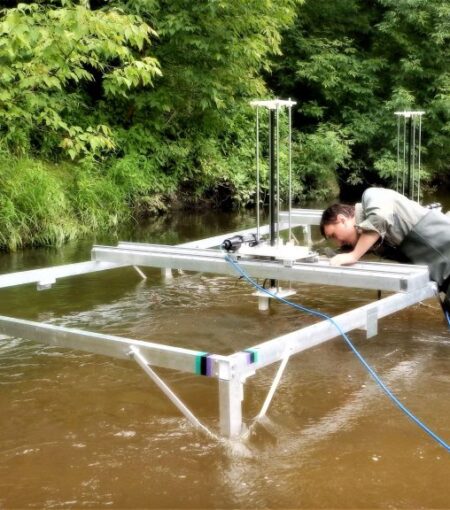
Institute of Geophysics Polish Academy of Sciences
-

Jerzy Haber Institute of Catalysis and Surface Chemistry Polish Academy of Sciences
-
Institute of Mathematics of the Polish Academy of Sciences
-
Institute of Geological Sciences, Polish Academy of Sciences
-
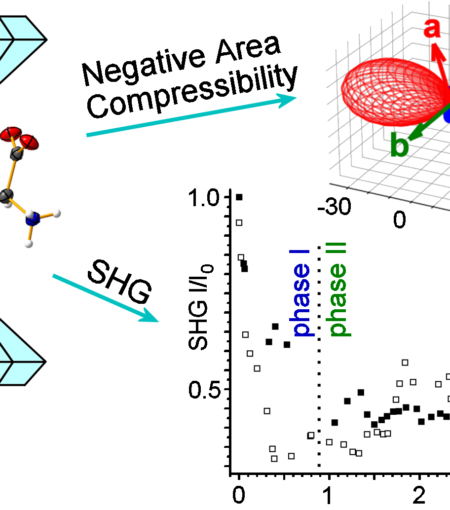
Institute of Low Temperature and Structure Research Polish Academy of Sciences
-

Institute of Oceanology Polish Academy of Sciences
-
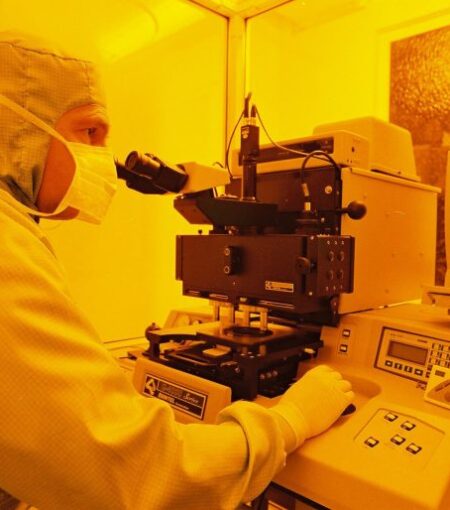
Institute of High Pressure Physics of the Polish Academy of Sciences
-
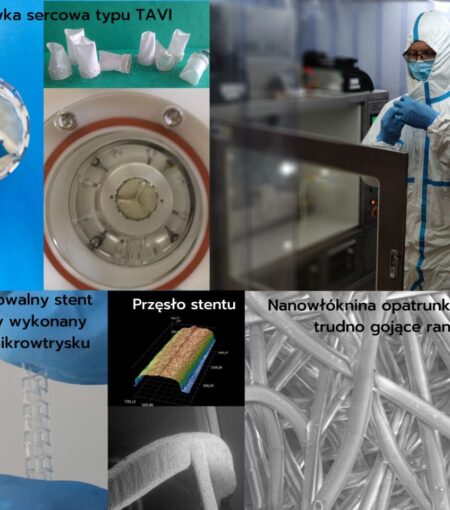
Centre of Polymer Materials of the Polish Academy of Sciences
-
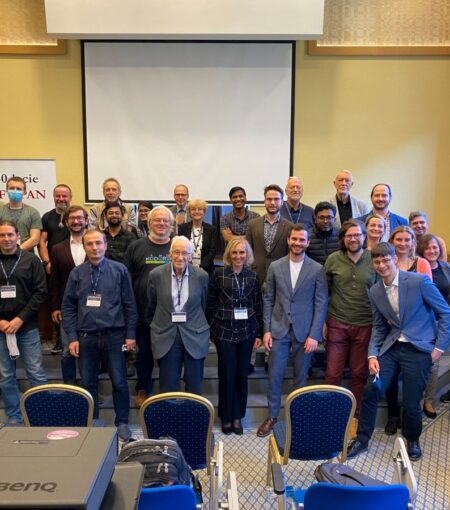
Center for Theoretical Physics of the Polish Academy of Sciences
-

Centre of Molecular and Macromolecular Studies of PAS in Łódź
-

Space Research Centre of the Polish Academy of Sciences
-
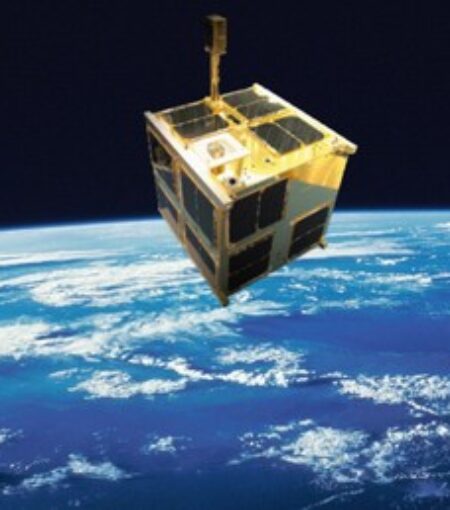
Nicolaus Copernicus Astronomical Center of the Polish Academy of Sciences