Support of Ukrainian scientists
The Academy is actively involved in supporting researchers who have been forced to leave their country.
We are assisting, together with foreign partners, researchers who have chosen to remain in war zones. Since the outbreak of war in Ukraine, the Polish Academy of Sciences has been active in supporting scientists. It has so far organised the stays of about 355 researchers in the network of institutes of the Polish Academy of Sciences with the support of its own funds and from foreign partners, including the U.S. National Academy of Sciences (NAS).
Approx. 40 million PLN has been allocated in total to support Ukrainian scientists and scholars.
Key outcomes of the PAS aid initiatives to date
- 355 scientists and scholars from Ukraine have received individual assistance,
- 88 scholars from Ukraine have received funding under 18 projects of the Long-Term Support Program, with a total budget of over 8 million USD secured by the US National Academy of Sciences (NAS) and the Polish Academy of Sciences (PAS) from international partners.
- Approx. 40 million PLN has been allocated in total to support Ukrainian scientists and scholars, mostly secured from over 40 foreign sponsors.
- 15 scientific and popular-science events have been organized or co-organized in Ukraine since the start of the war.
- Over 700 scientists and scholars from Ukraine have participated in in-person or online training organized by the Polish Academy of Sciences.
- 28 scientific units of the Polish Academy of Sciences have been involved in direct aid initiatives.
The success of these efforts has solidified the Polish Academy of Sciences’ position as a reliable partner, capable of implementing effective and transparent programs, and well-positioned to undertake further initiatives with both existing and new partners worldwide.
Main Areas of Activity
Support for scientists:
- Individual Fellowship Program: Launched on March 1, 2022, this program provides funding for Ukrainian scientists and scholars to undertake several months of research in Poland.
- Long-Term Support Program (LTP): Initiated in December 2022, this program funds two- to three-year research projects to be carried out in Poland and Ukraine by Ukrainian research teams.
- Immediate Humanitarian and Organizational Assistance: Offering urgent support to refugees from Ukraine.
Institutional expert and logistical support:
- Plan for Supporting Science in Ukraine: A 10-point reconstruction plan, which was approved by representatives of seven leading foreign science academies gathered in Warsaw in June 2022.
- Programs and Support Mechanisms: Developed and coordinated by the PAS as part of the plan to rebuild science in Ukraine.
- International Network of Sponsors: Inspired by the PAS, this network provides funding for both existing and planned support programs for Ukraine.
PAS Initiatives for Ukraine
The Polish Academy of Sciences responded quickly and effectively to the crisis caused by Russia’s invasion of Ukraine, actively supporting Ukraine’s scientific community from the very first days of the war. This assistance extends to both scientists forced to leave Ukraine and those who remain in the country. The primary goal of this support has been to ensure the continuity of scientific research, providing a foundation
for Ukraine’s post-war reconstruction.
Key aspects
- coordination with the National Academy of Sciences of Ukraine (NASU)
- rapid response, operational flexibility
- collaboration with the PAS research institutions and with international partners
- strong relationships with leading international scientific institutions
- dual affiliation (both Ukrainian and Polish) for funded research
Figures and Timeline
The table below sums up the overall numbers of Ukrainian scholars who received financial support from the Polish Academy of Sciences for each year between 2022 and 2024, along with the amounts of funding allocated for this purpose. The amounts are also categorized by funding source (institutional grants vs. non-budgetary funds).
Support for Scientists from Ukraine – in Figures
| 2022 | 2023 | 2024* | |||||
| funding source | support program | number of scientists | amount in PLN | number of scientists | amount in PLN | number of scientists | amount in PLN |
| institutional grant | Individual Fellowships for Ukrainian Scientists at PAS Research Units |
110 | 3,415,069 | 83 | 898,492 | 42 | 708,745 |
| non-budgetary funds | Individual Fellowships for Ukrainian Scientists at PAS Research Units |
115 | 2,743,497 | 4 | 118,820 | 1 | 18,280 |
| Long-Term Support Program (LTP) |
– | – | 83 | 10,492,925 | 88 | 10,881,662 | |
| total | 225 | 6,158,566 | 170 | 11,510,237 | 131 | 11,608,687 | |
* 2024 figures as earmarked for completion
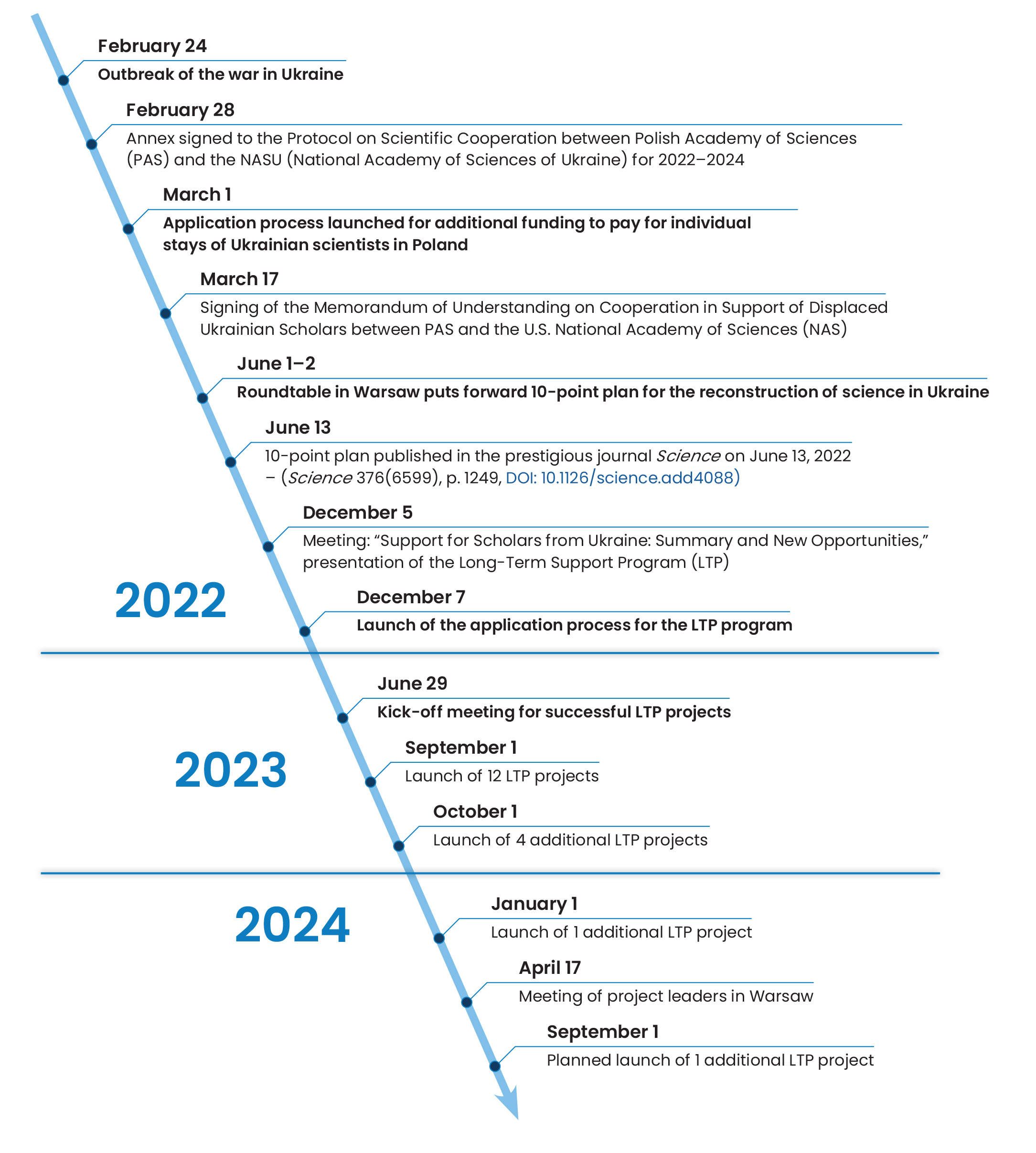
The diagram below outlines the initiatives taken by the Polish Academy of Sciences since the outbreak of the war in Ukraine.
Long-Term Support Program (LTP)
In 2022, work began on launching a new support program for Ukraine, in response to the plan for rebuilding science in Ukraine agreed upon in June of that year. On 5 December, a meeting titled “Support for Scholars from Ukraine: Summary and New Opportunities” was held in Warsaw, bringing together representatives of the U.S. National Academy of Sciences and the directors of various PAS units hosting Ukrainian researchers as part of the support programs initiated shortly after the outbreak of the war in Ukraine. The principles of the new long-term financial support program for Ukrainian research
teams were presented at this meeting, with a call for applications beginning on 7 December 2022.
Partners for this project include the U.S. National Academy of Sciences (NAS), the Royal Society in London, Elsevier, the German National Academy of Sciences Leopoldina, National Cheng Kung University in Taiwan, and the Royal Swedish Academy of Letters, History and Antiquities.
Partners of the programme
Elsevier
A company dedicated to analysing and providing access to data and scientific information. At the same time, one of the world’s largest scientific publishers. It publishes mainly books and scientific journals in the life sciences, medical sciences and sciences.
Annually, Elsevier publishes 430,000 articles in approximately 2,500 scientific journals. In total, more than 13 million articles and more than 30,000 eBooks have been published under its banner. The annual number of downloads of publications reaches 900 million.
Royal Swedish Academy of Sciences
The Royal Swedish Academy of Sciences is one of the royal academies of Sweden. Founded on 2 June 1739, it is an independent, non-governmental scientific organisation that takes special responsibility for promoting the natural sciences and mathematics and strengthening their impact on society, while at the same time seeking to promote the exchange of ideas between different disciplines.
Deutsche Akademie der Naturforscher Leopoldina
The Deutsche Akademie der Naturforscher Leopoldina has been the German National Academy of Sciences since 2008. It scientifically analyses and addresses key issues of potential importance to society. The Academy operates independently of political and economic objectives. Its findings are communicated to both policy makers and the public and are promoted nationally and internationally.
National Academy of Sciences
The National Academy of Sciences (NAS) is a private, non-profit organisation of the nation’s leading scientists. The NAS recognises and promotes outstanding science through membership elections; publications in the PNAS journal; and awards, programmes and special activities. Through the National Academies of Sciences, Engineering and Medicine, NAS provides objective, science-based advice on key issues affecting the nation.
National Cheng Kung University
National Cheng Kung University is a public research university located in Tainan, Taiwan. The university is best known for its engineering, computer science, medical and design programmes.
NCKU played a role in the creation of the Taiwan Miracle, helping Taiwan transform from an agriculture-based society to an industrialised economy in the 1960s and 1970s, and subsequently becoming one of the Four Asian Tigers.
The Royal Society
The Society’s primary purpose, reflected in its founding statutes of the 1660s, is to recognise, promote and support excellence in science and to encourage the development and use of science for the benefit of humanity.
The Society has played a role in some of the most fundamental, significant and life-changing discoveries in the history of science, and Royal Society scientists continue to make outstanding contributions to science in many research areas.
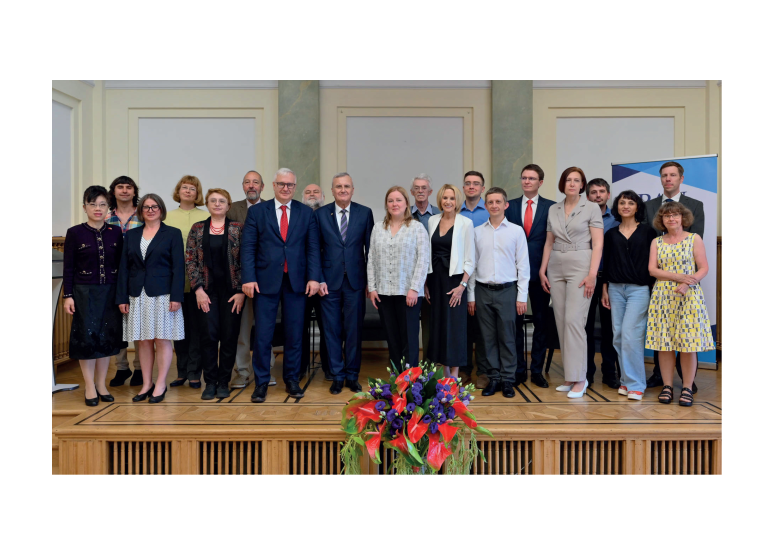
The program provides funding for two- or three-year research projects pursued by teams of up to five scientists, the members of which (except for the Project Leaders) may remain in Ukraine. All members of the Ukrainian research teams maintain dual affiliations.
The funding for the project encompasses:
- salaries for the research team members,
- additional accommodation costs for those relocating to Poland for the duration of the project,
- possible expenses related to participation in conferences, access to specialized research equipment, or the purchase of necessary small research tools.
A total of 174 Ukrainian research teams applied to the program. After a two-stage substantive evaluation coordinated by the U.S. NAS, 18 two- or three-year research projects were selected for implementation. The program’s budget amounts to 8,391,638 USD.
On 29 June 2023, an inaugural, “kick-off” meeting for the selected LTP projects was held in Warsaw. The event was attended by Marcia McNutt, President of the U.S. National Academy of Sciences, Anatoly Zagorodny, President of the National Academy of Sciences of Ukraine, Marek Konarzewski, the current President of the PAS, Ian Wiggins representing the Royal Society, David Neal representing Elsevier, and Meifen Chen representing NCKU. Mark Brzezinski, U.S. Ambassador to Poland, was a special guest at the event.
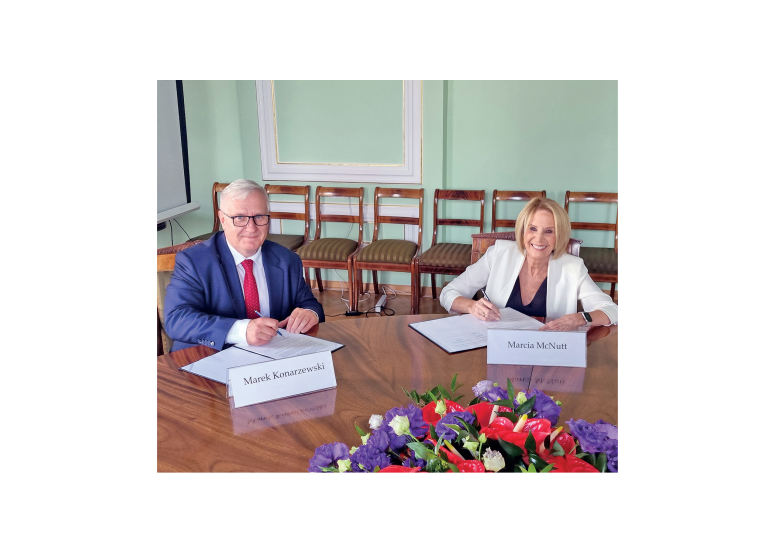
In September and October 2023, Ukrainian research projects that received funding through the LTP competition began their implementation. The average cost of a threeyear project is approximately 470,000 USD.
The research teams are hosted by the following institutions:
- Nicolaus Copernicus Astronomical Center, PAS
- Space Research Centre, PAS (2 projects)
- Institute of Agrophysics, PAS
- Institute of Biochemistry and Biophysics, PAS
- Institute of Bioorganic Chemistry, PAS
- Institute of Physical Chemistry, PAS
- Institute of Organic Chemistry, PAS
- Institute of Pharmacology, PAS
- Institute of Physics, PAS
- Institute of Geophysics, PAS
- Institute of Mathematics, PAS
- Institute of Metallurgy and Materials Science, PAS
- Institute of Low Temperature and Structure Research, PAS
- Institute of Psychology, PAS
- Institute of Rural and Agricultural Development, PAS
- Institute of High Pressure Physics, PAS (2 projects)
On 17 April 2024, a meeting of the leaders of Ukrainian research projects funded through the Long-Term Support Program (LTP) was held at the Palace of Culture and Science in Warsaw. During the meeting, project leaders presented the progress of their research so far, including the first papers published in top international journals. One such paper, authored by the team of A.A. Marchenko, O.L. Kapitanchuk, Y.Yu. Lopatina, K.G. Nazarenko, A.I. Senenko, N. Katsonis, V.G. Nazarenko, and O.D. Lavrentovich, entitled
“Polar Self-Organization of Ferroelectric Nematic-Liquid-Crystal Molecules on Atomically Flat Au (111) Surface” was published in Phys. Rev. Lett. (2024, 132, 098101, DOI: 10.1103/PhysRevLett.132.098101).
The LTP program has received widespread acclaim, with strong calls appealing for its continuation coming from the Ukrainian side. The PAS is now actively working to secure funding for a second edition of the LTP program. This time, the call for applications is planned to focus on the medical sciences, with a particular emphasis on research related to Post-Traumatic Stress Disorder (PTSD). With the assistance of the National Academy of Medical Sciences of Ukraine, a number of centers in Ukraine and Poland have
already been identified as potential partners for this initiative.
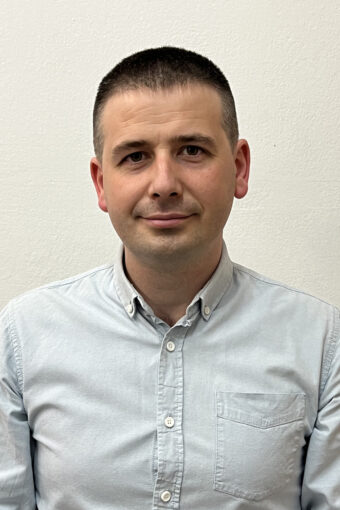
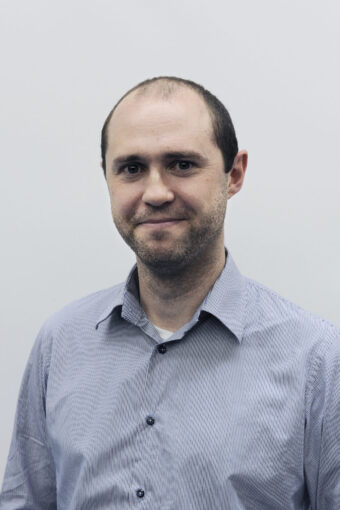
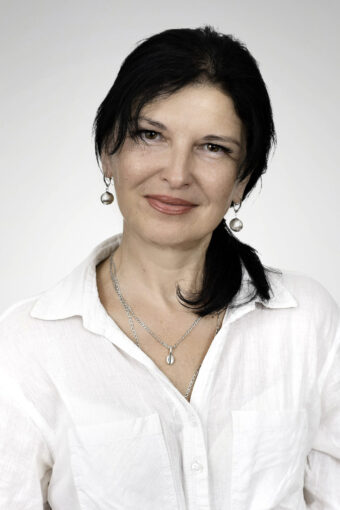
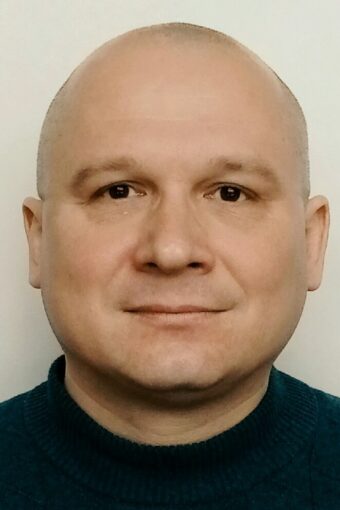
List of laureates of the programme


Contact form
Contact
-
E-mail
ukraina@pan.pl