30 June 2025
Experts Discuss War-Related Trauma – Summary of the PAS Conference
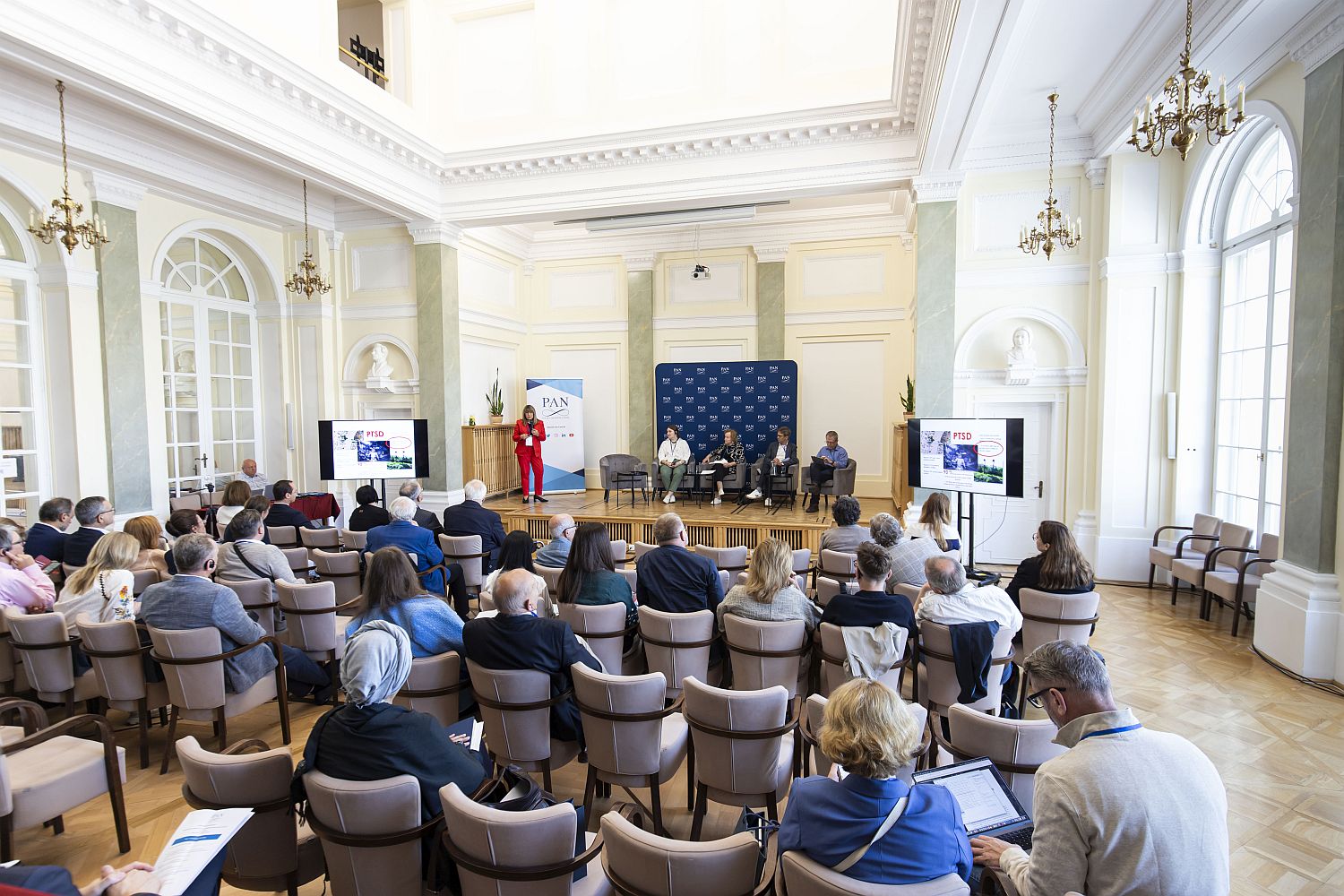
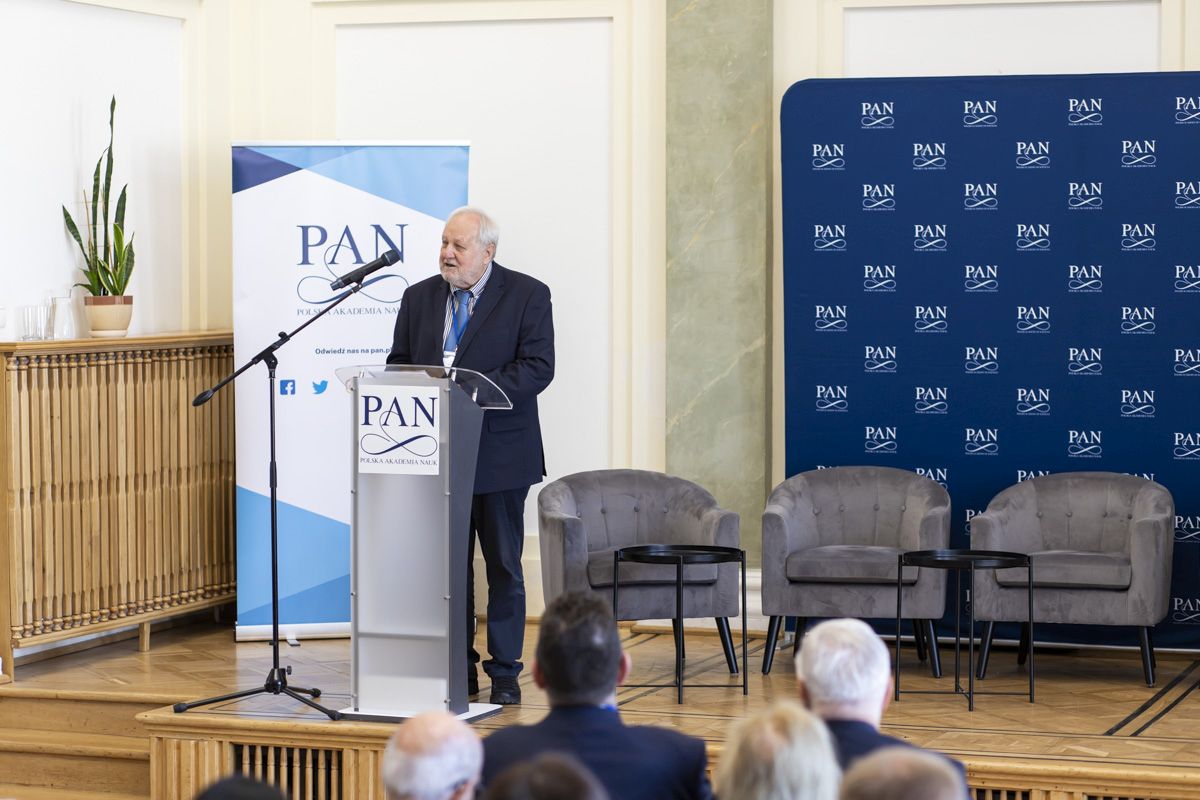
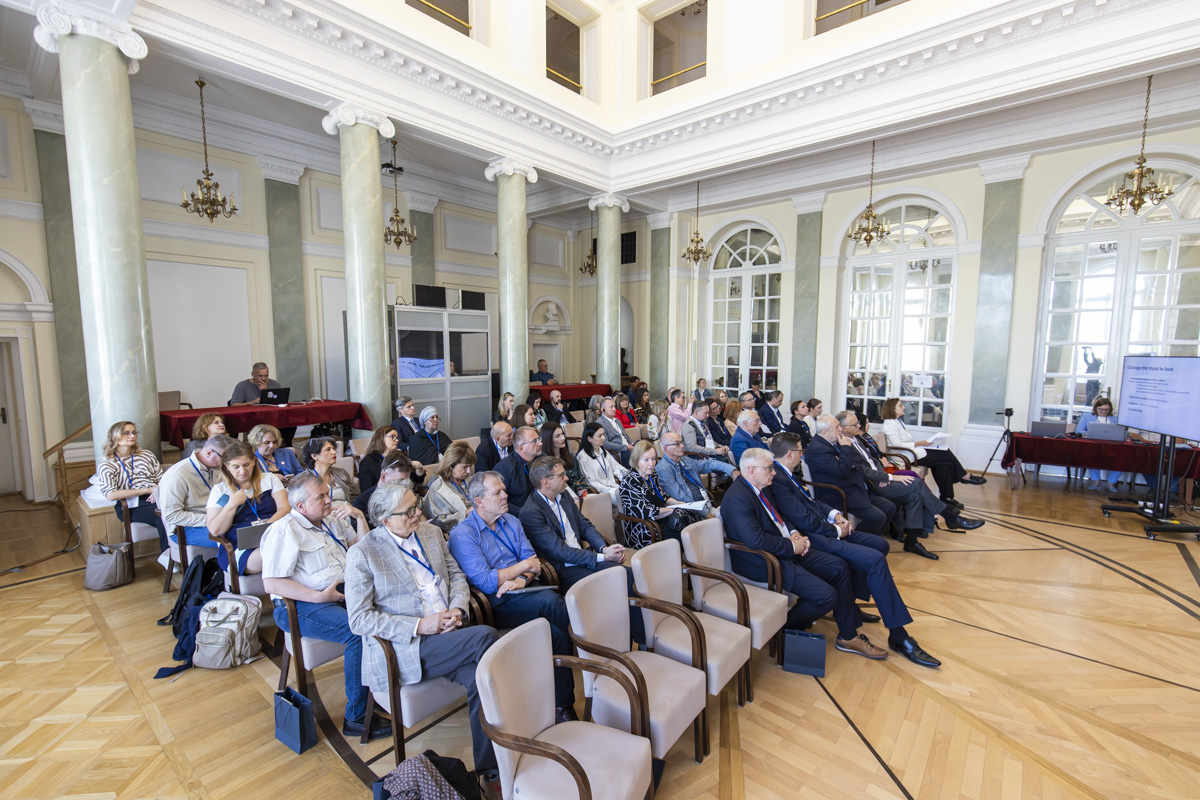
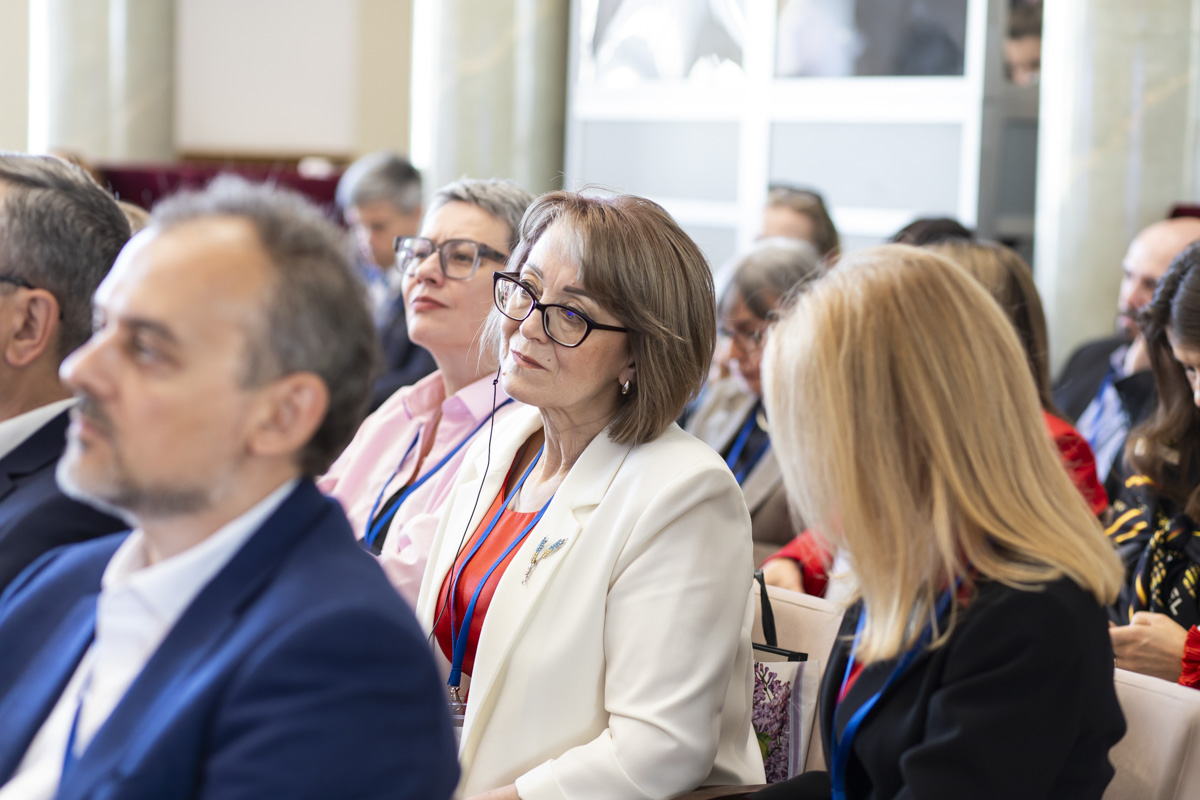
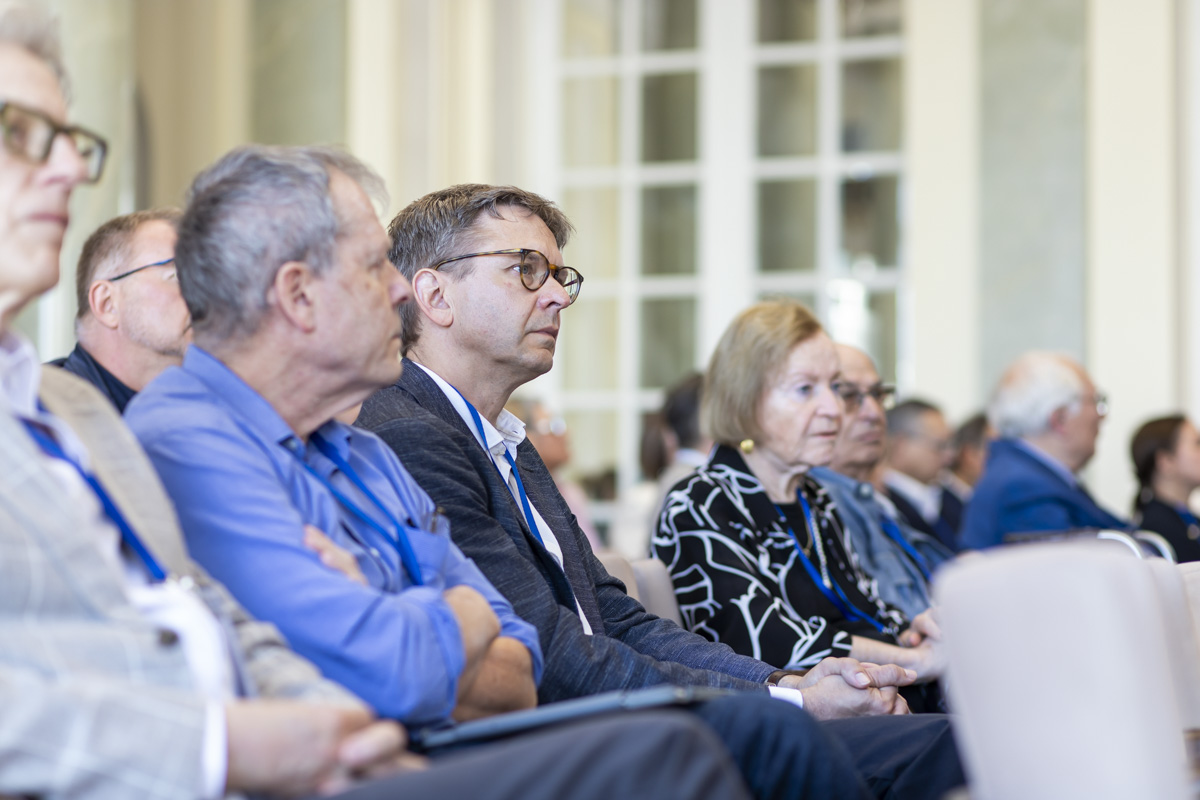
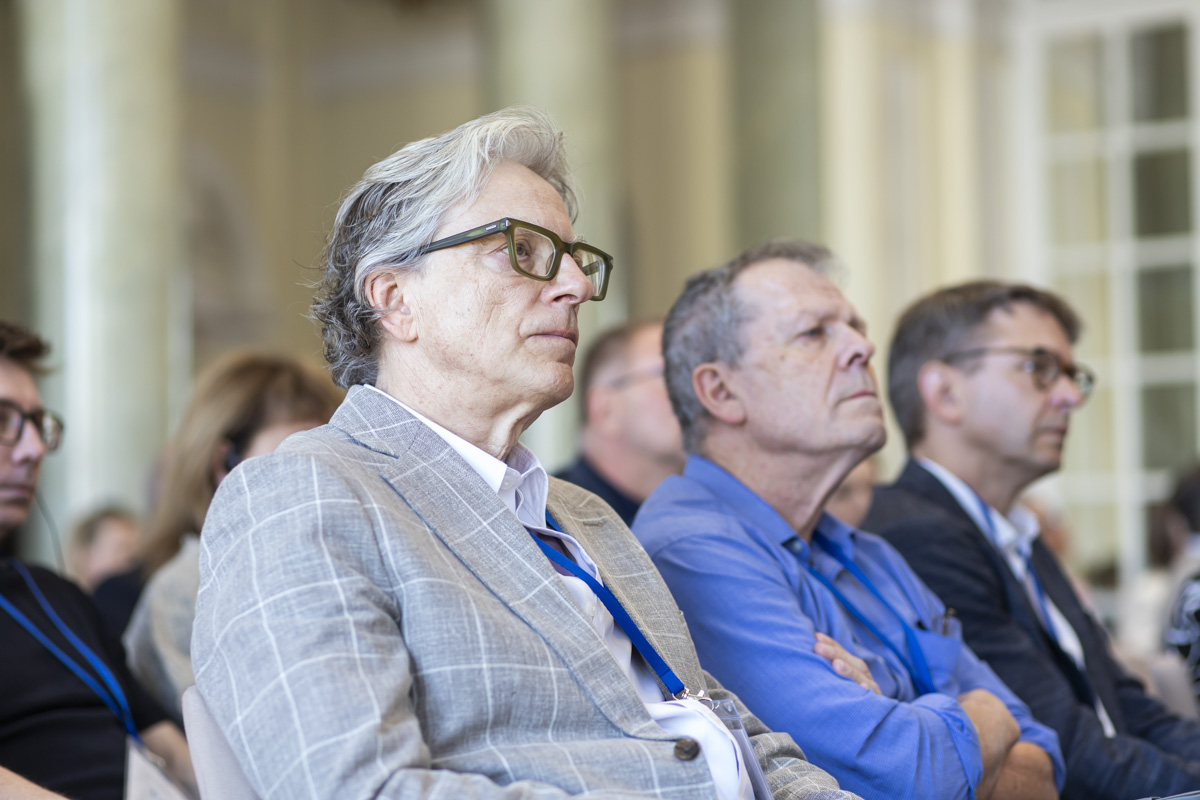
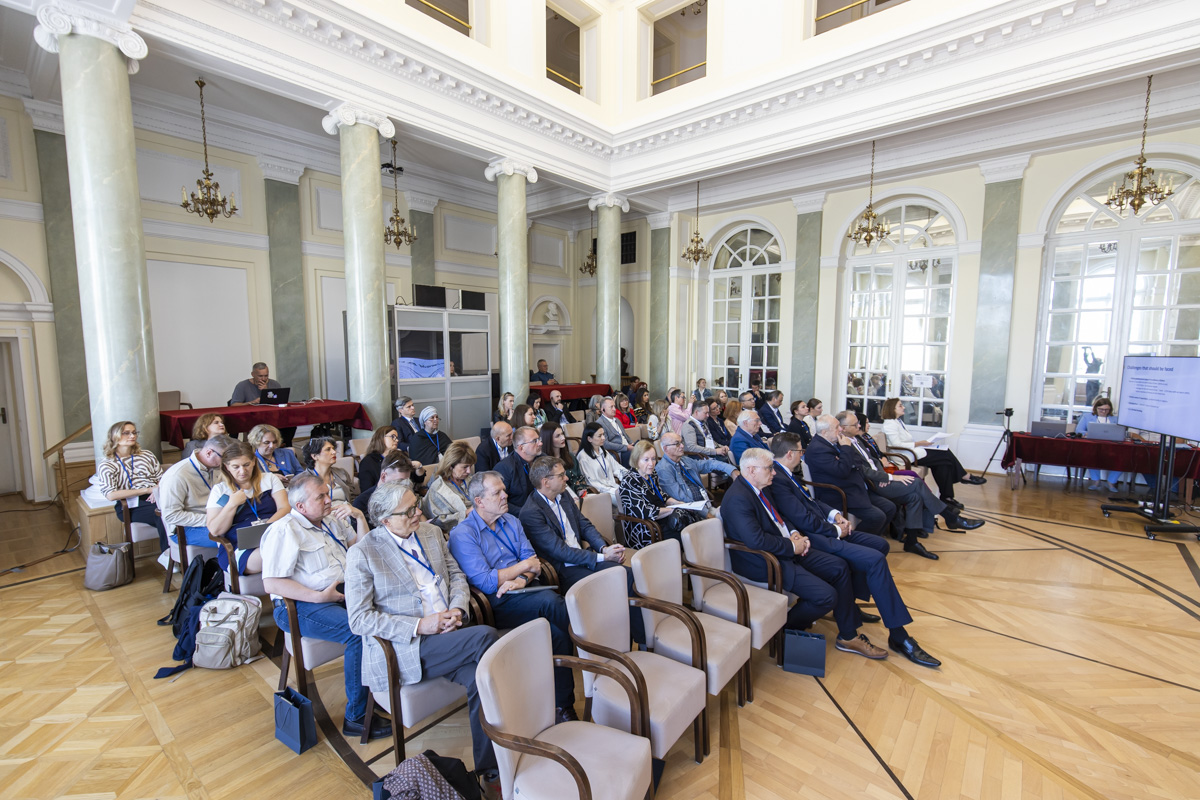
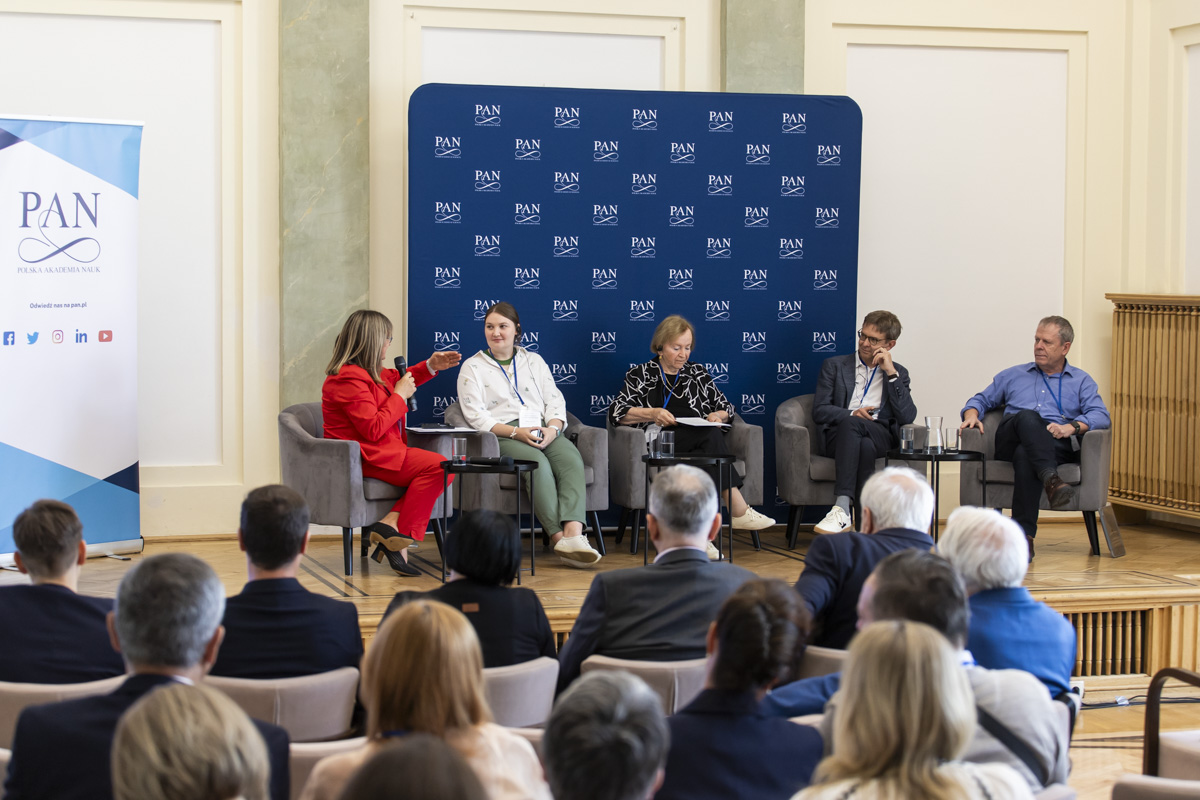
On June 12–13, 2025, Warsaw hosted an international conference devoted to the psychological consequences of war and effective methods of supporting individuals affected by war-induced trauma. Special attention was paid to Post-Traumatic Stress Disorder (PTSD)—a mental health condition resulting from extremely stressful events. People suffering from PTSD often experience panic attacks, intrusive and distressing memories, sleep disturbances, aggression outbursts, and other symptoms. The meeting, organized by the Polish Academy of Sciences (PAS), brought together dozens of experts—psychologists, psychiatrists, therapists, and public decision-makers from Poland, Ukraine, Australia, Germany, Israel, the United States, and the United Kingdom.
Over two intensive days of discussions, key topics were addressed, ranging from widely recognized strategies for protecting mental health and evidence-based PTSD treatment, through the experience of Ukrainian therapeutic centers, to the challenges in implementing PTSD treatment in Ukraine and Poland. Participants emphasized that several million people in Ukraine may suffer from PTSD and require not only immediate but also long-term and systematic support.
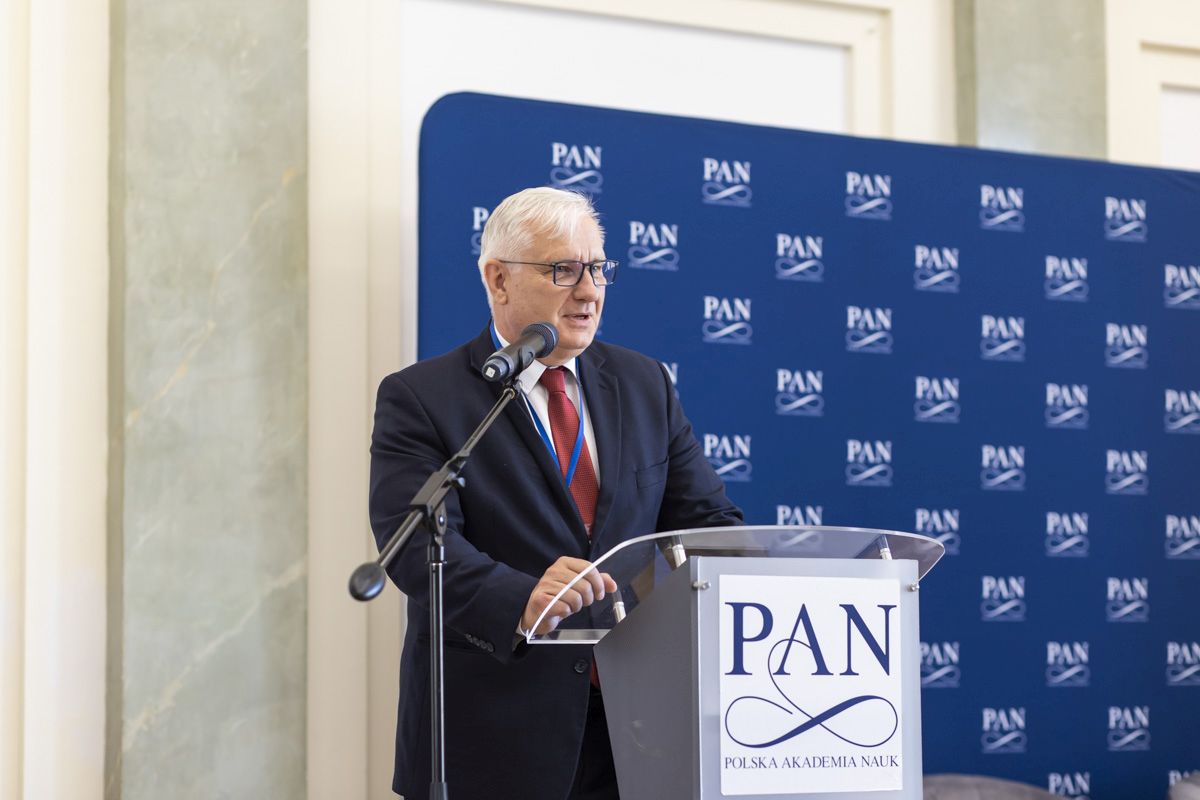
– The consequences of war-related trauma are a challenge not only for individuals but also for entire societies. That is why we support research that will help better understand PTSD and provide more effective support to those who need it most, stated Professor Marek Konarzewski, President of PAS, in his address.
The conference marked the first step towards establishing a new long-term research program—LTP PTSD—modeled on the recently concluded PAS initiative, LTP1. The new program will focus on analyzing post-traumatic stress in the context of the war in Ukraine, developing effective therapeutic and preventive methods, and creating several reference centers to disseminate this knowledge throughout Ukraine and Poland. As with LTP1, the program will be implemented in research teams led by principal investigators employed at Polish research institutions, with team members working at either Polish or Ukrainian institutions. All researchers involved will hold dual affiliations with both Polish and Ukrainian institutions.
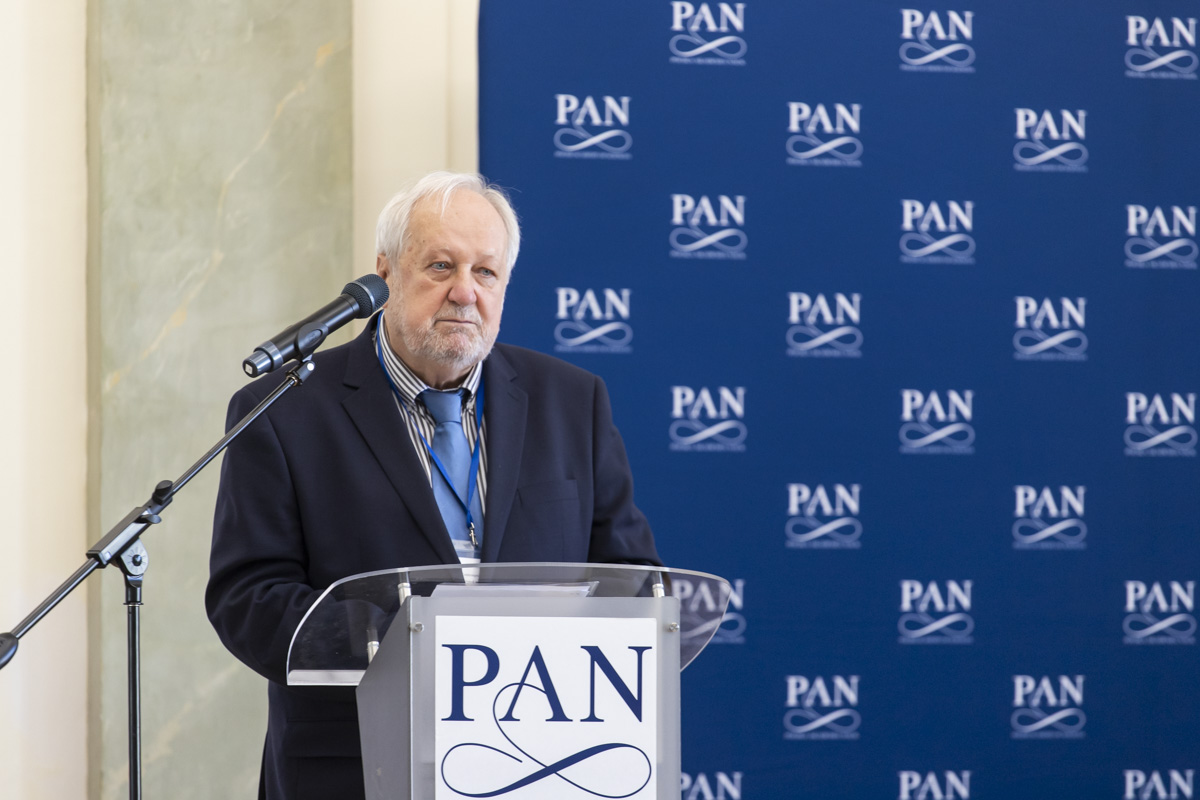
– Post-traumatic stress disorder is an invisible wound that demands just as much attention as physical injuries. We must speak openly about PTSD, because knowledge and awareness are the first steps toward effective treatment, emphasized Professor Jerzy Duszyński, advisor to the President of PAS on cooperation with Ukraine and Chair of the conference’s Scientific Organizing Committee.
Other members of the Scientific Organizing Committee included: Professor Łukasz Gawęda (PAS Institute of Psychology), Professor Aleksandra Łuszczyńska (SWPS University), Professor Małgorzata Kossowska (Jagiellonian University), Professor Agnieszka Popiel (SWPS University), Dr. Justyna Towarek and Dr. Radosław Tworus (Military Medical Institute), Professor Bogdan Zawadzki (University of Warsaw), Dr. Anna Plater-Zyberk (Director of the PAS Office for International Cooperation), and Mateusz Białas (Director of the PAS Station in Kyiv).
Discussions among experts, practitioners, and government representatives underscored the vital role of experience sharing between leading centers addressing PTSD and the development of common therapeutic standards. The open format of the sessions also facilitated networking and the planning of further actions.
In line with the organizers’ vision, the conference was not only an opportunity for knowledge exchange but also another step toward strengthening mental health support for Ukraine. The Polish Academy of Sciences declared its intention to continue scientific cooperation and pursue further initiatives aimed at more effective treatment and prevention of war-related trauma.
Expert Debate on Mental Health in the Context of War Experiences
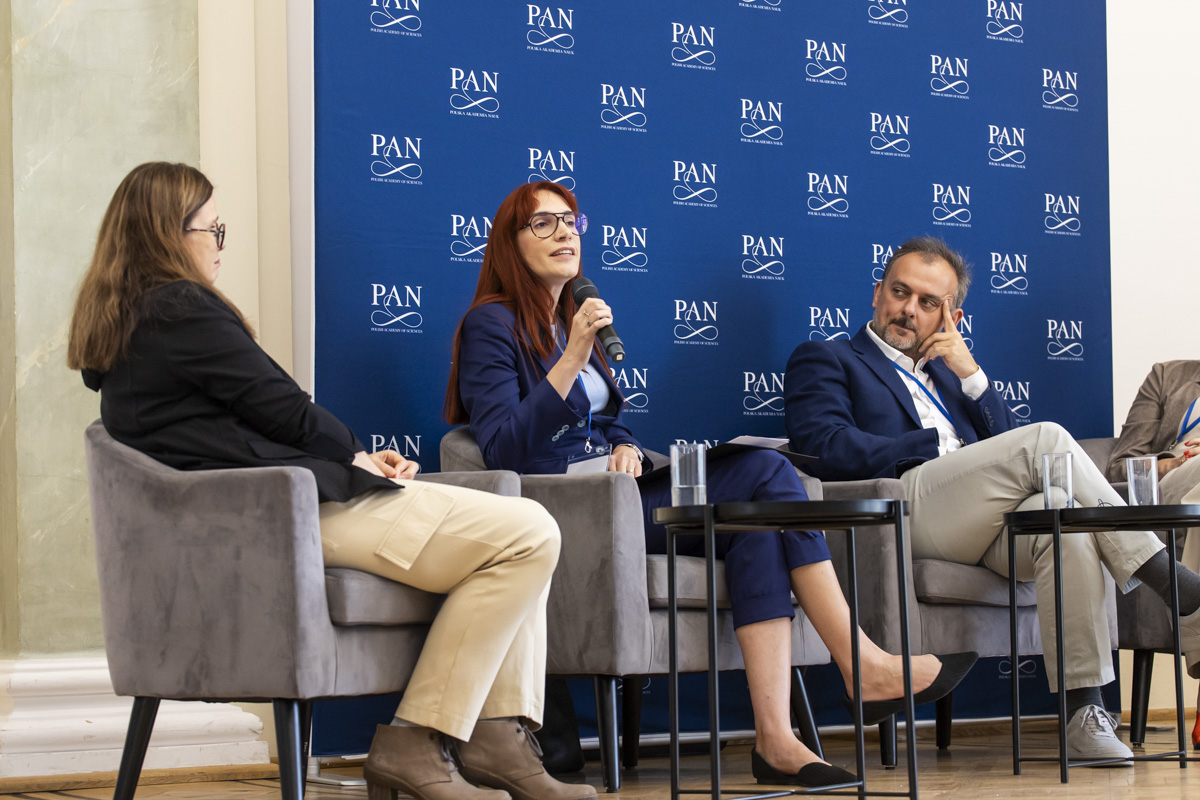
Conference participants engaged in six discussion panels led by distinguished experts from Poland and abroad. Each panel focused on key issues related to mental health in the context of war and crisis experiences, with invited speakers sharing both research findings and practical insights from their professional work around the world.
The first panel, “Evidence-based treatments for posttraumatic disorders and treatment policies in mental health in global perspectives,” was moderated by Professor Agnieszka Popiel. Speakers included Richard Bryant (University of New South Wales, Australia), Frank Neuner (University of Bielefeld, Germany), Yona Teichman (Professor Emeritus, Tel Aviv University, Israel), and Olha Holub (Ukrainian Association of Cognitive Behavioral Therapy).
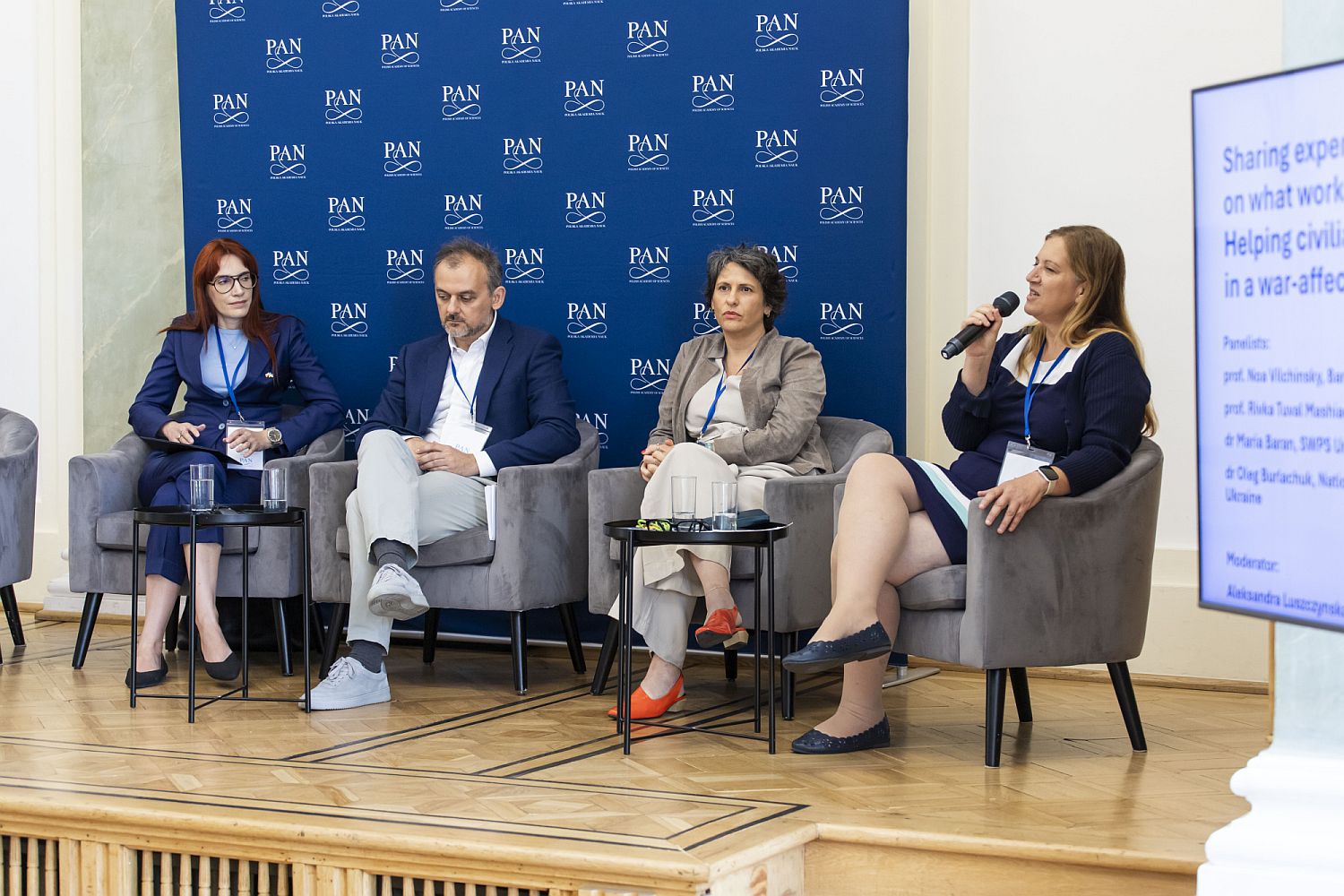
The second panel, “Sharing experience on what works and what doesn’t: Helping civilians in a war-affected country,” moderated by Professor Aleksandra Łuszczyńska, brought together Noa Vilchinsky and Rivka Tuval Mashiach (Bar-Ilan University, Israel), Dr. Maria Baran (SWPS University, Poland), and Dr. Oleg Burlachuk (National Psychological Association of Ukraine).
The third panel, “Needs and challenges due to war-related mental health problems – experience of Ukraine,” chaired by Professor Bogdan Zawadzki, featured Kseniia Voznytsina (Lisova Polyana Rehabilitation Center, Ukraine), Valeriia Palii (Kyiv School of Economics), Olha Horbanova (Mental Health Coordination Center at the Cabinet of Ministers of Ukraine), and Volodymyr Korostyi (Kharkiv National Medical University).
The second day of the conference opened with a panel titled “Early and late interventions for combat stress – military experiences,” moderated by Radosław Tworus and Justyna Towarek. Speakers included Andriy Burachyk (Veterans’ Hospital in Rivne, Ukraine), Dr. Brenda Wiederhold (USA), Olga Yurchenko (Department of Social Services, Zhytomyr City Council), and Nataliia Portnytska (Ivan Franko State University of Zhytomyr).
The following panel, “Fostering Collective Resilience: Psychosocial Support for War Refugees,” moderated by Professor Małgorzata Kossowska, brought together Krzysztof Kaniasty (PAS Institute of Psychology), Hubert Kaszyński (Jagiellonian University), Mark Palace (Liverpool John Moores University, UK), and Yulia Tretiakova (Taras Shevchenko National University of Kyiv).
The final panel, “Barriers in the implementation of evidence-based treatments,” was led by Dr. Olena Venger (Ternopil National Medical University) and featured contributions from Wojciech Kulesza (SWPS University), Montserrat Bautista (University of Madrid), Meir Teichman (Professor Emeritus, Tel Aviv University), and Valerii Kuzminov (National Academy of Medical Sciences of Ukraine, Institute of Neurology, Psychiatry and Narcology, Kharkiv).
The conference concluded with a joint summary discussion, which provided an opportunity for reflection, outlining future directions and reinforcing international cooperation in the field of mental health in the context of war.
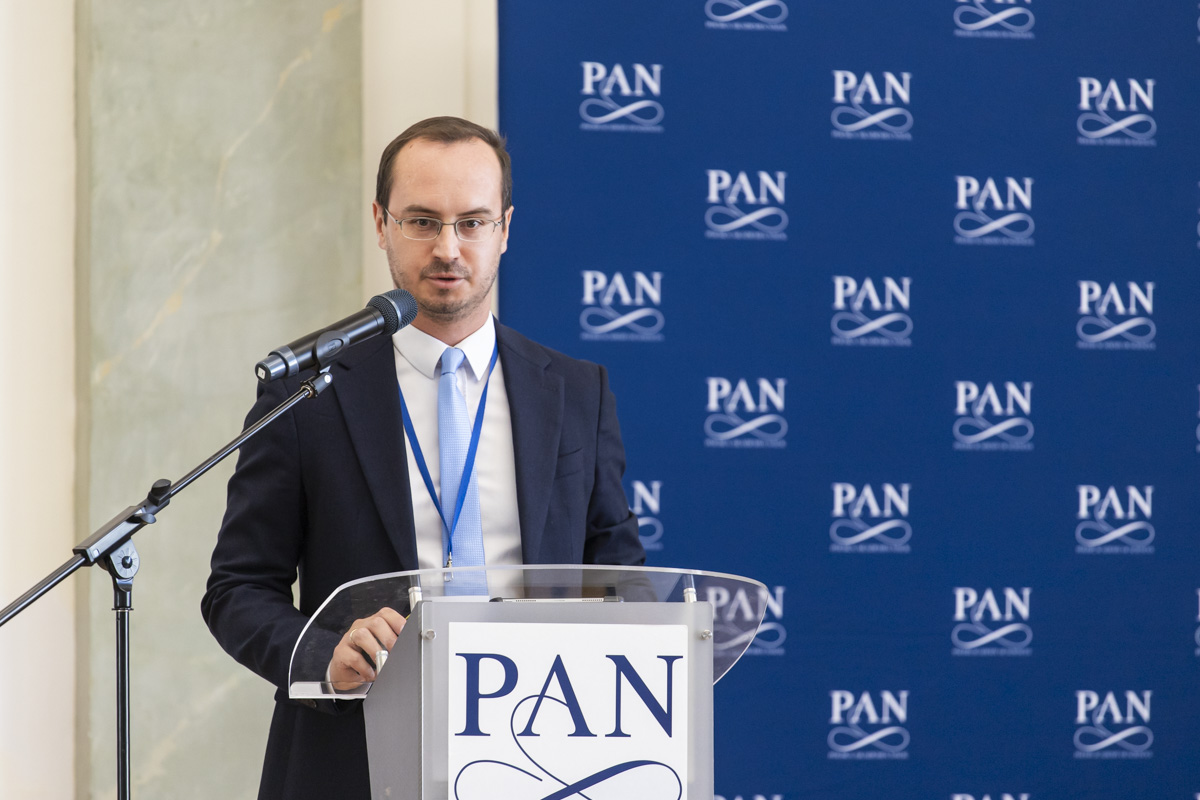
– International cooperation gives our specialists the tools and knowledge necessary to help millions of people for whom the war will not end anytime soon in their minds, concluded Dr. Oleg Burlachuk of the National Psychological Association of Ukraine.
Photo Gallery